World Cup semifinals set
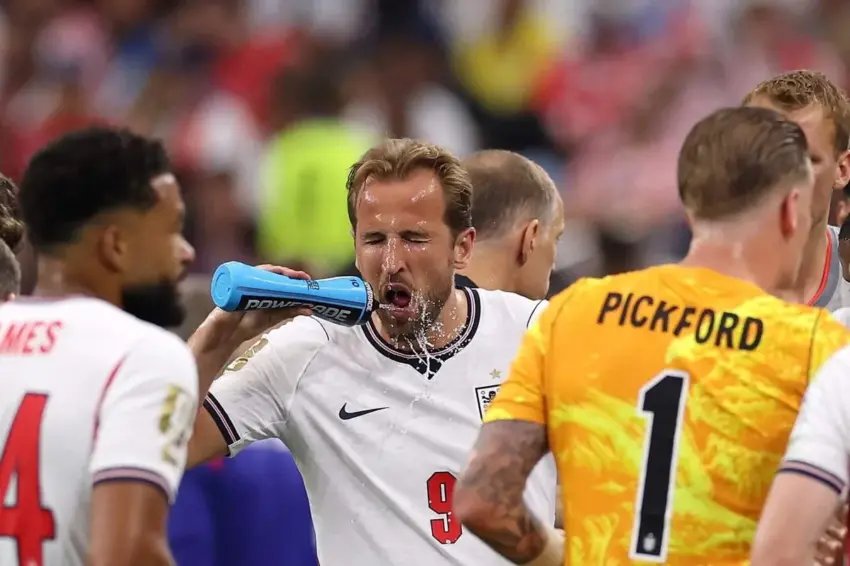
The 2026 World Cup has reached its semifinal stage, featuring a lineup of top-ranked teams. France, Argentina, Spain, and England have all secured their spots, making this the first World Cup where the top four teams entering the tournament have all advanced to the semifinals. France is ranked No. 1, Argentina No. 2, Spain No. 3, and England No. 4.
The semifinal matchups will see France play Spain on one side of the bracket, while England will face Argentina on the other. This configuration has been described as a “dream semifinal field” given the high rankings of the participating nations.
Heat concerns in Miami Gardens
As the tournament progresses, a heatwave has affected large areas of the United States, leading to soaring temperatures. In Miami Gardens, where England faced Norway in a quarterfinal match, extreme heat was forecast. A heat advisory was in effect from 11 a.m. to 7 p.m., with the heat index projected to be near 110F (43C). The temperature at 5 p.m. was expected to be 91F (33C), with a 20 percent chance of a shower or thundershower.
This extreme heat could potentially lead to heat-related illnesses for both players and fans. The hottest game of the tournament prior to this was between France and Paraguay in Philadelphia, where the high temperature was forecast to be 100F (38C), with a Heat Index between 105F (41C) and 115F (46C).
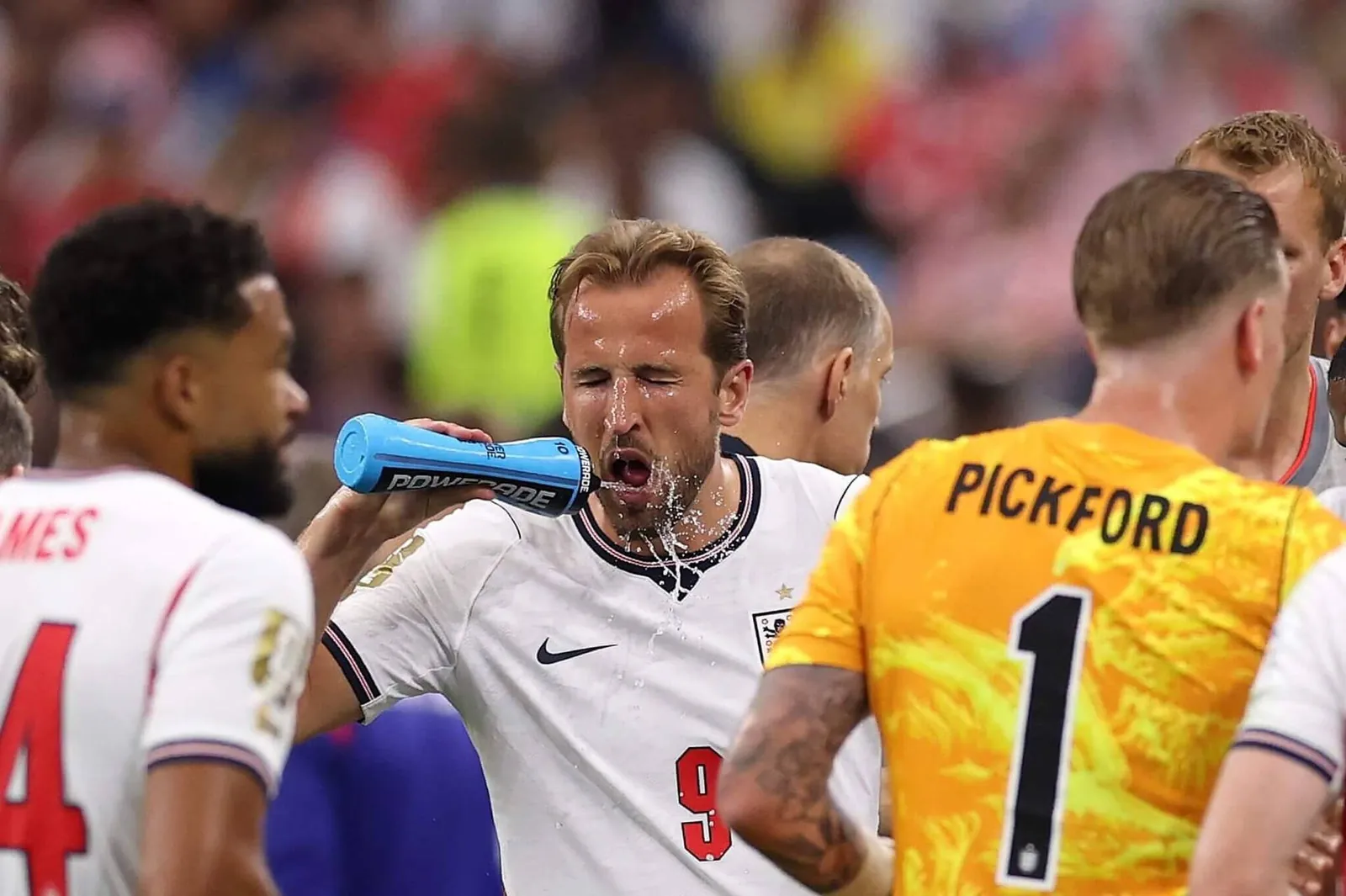
Before the tournament began, researchers had warned that temperatures at 14 of the 16 stadiums in the United States, Mexico, and Canada could exceed dangerous levels. Health experts had also alerted FIFA to “worrying levels of heat stress” on players, advocating for improved protections such as longer cooling breaks and clearer protocols for delaying or postponing games under extreme conditions.
Player health and heat management
The impact of heat on players is significant. According to sports scientist Chris Harris, the human body acts like an engine, generating heat during physical exertion. In hot environments, the body receives heat from outside, accelerating the rise in core temperature. The danger factor is the rise in core temperature, as the body has a narrow window to tolerate these changes. While the average person’s ceiling is around 39.5C (103F), elite athletes have been observed to tolerate temperatures as high as 40.5C (104.9F).
The body’s initial defense mechanisms against heat include the widening of blood vessels to bring blood closer to the skin surface, which can dissipate heat if the surrounding environment is cooler. Following this, the body initiates a sweat response. The cooling effect comes from the evaporation of sweat, not the sweat itself. High humidity, over 50 percent, can significantly reduce the effectiveness of sweating because fluid cannot evaporate as easily into the atmosphere.

Sweating also leads to the loss of fluid and electrolytes, which are crucial for muscle contraction and maintaining fluid balance. Dominic Rae, head of sports medicine at Ten Percent Club, notes that players can lose substantial amounts of fluid and electrolytes during a game. For example, a heavy salt sweater might lose over a gram of sodium per liter of sweat, and some players could lose three to five kilograms (up to 11lbs) in fluid during a game.
Individualized hydration strategies are essential, with elite teams often conducting sweat tests to determine each player’s specific electrolyte loss. This allows for tailored electrolyte supplementation, with some players needing high-dose sodium drinks while others require less. During cooling breaks, the focus is on replacing electrolytes, as it is difficult to replenish sufficient liquids in short stoppages. For instance, 200ml bottles of water concentrated with high-dose electrolytes are used to help players rehydrate effectively.
FIFA’s emergency care manual currently states that match suspension or postponement is formally considered when the wet bulb globe temperature (WBGT) is “near, at or above 32C (89.6F).” However, an open letter from health experts suggests this threshold is “impossible to justify,” and global player union FIFPro recommends delaying games when WBGT exceeds 28C.
The Athletic’s weather expert, Aaron Mentkowski, reported on the extreme heat conditions for the England versus Norway match in Miami Gardens.
Read Also
Source: sports.yahoo.com

Mason Reed
Sports reporter covering football, basketball and international competitions.