
The World Cup final is set to feature Argentina against Spain at MetLife Stadium in New Jersey this Sunday. Argentina secured their spot after a comeback victory against England, marking a second consecutive final appearance for Lionel Messi, who previously won in 2022. For Spain, it will be the first final for their young talent, Lamine Yamal.
This final will be the first time Messi and Yamal have faced each other on the field, though a notable photo exists of their meeting when Yamal was an infant. The match will also determine individual awards, including the Golden Ball for the best player, Golden Glove for the best goalkeeper, and Golden Boot for the top goalscorer. Messi currently leads the Golden Boot race with eight goals and four assists, with Kylian Mbappé close behind with eight goals and three assists.
Spain’s Path to the Final
Spain reached the final after a decisive 2-0 victory over France in the semifinal. This marks Spain’s first appearance in a World Cup final since their win in 2010. The team’s performance against France was described by some as a masterclass, with Spain controlling the game and neutralizing key French attackers like Mbappé and Ousmane Dembélé.
Spain’s success has been attributed to their strong team cohesion, tactical plan, and form across all positions. Several commentators noted Spain’s confidence and ability to manage challenges throughout the tournament. The team has conceded only one goal in seven matches, and they remain unbeaten in regular time in their last 37 matches dating back to March 2024, a national record.
Goals in the semifinal came from Mikel Oyarzabal, who converted a penalty kick won by Yamal, and Pedro Porro, who scored Spain’s second goal in the 58th minute. Despite Yamal not always playing at his peak, Spain has demonstrated that they are not solely reliant on individual brilliance.

Argentina’s Journey and MetLife Stadium Concerns
Argentina’s journey to the final has been characterized by resilience and comebacks, with Messi’s pivotal eight goals and two assists guiding them through tough matches against teams like Cape Verde and Egypt. The team’s belief and fighting spirit, coupled with Messi’s influence, are seen as significant factors in their success. Some observers believe Argentina’s performance in the final could be their best, driven by the desire to secure Messi’s legacy.
The selection of MetLife Stadium as the host for the final has raised some questions. The stadium, which opened in 2010, has not always received glowing reviews from World Cup visitors, with some ranking it as a less preferred venue compared to newer stadiums in Los Angeles and Atlanta. Its most distinctive feature has been noted as the enormous black speakers hanging over the field.
Accessibility to MetLife Stadium has also been a concern, particularly after FIFA reduced parking options. Public transport options, such as the train from Penn Station, have seen increased fares, and host committee buses, partly funded by New York state, have often sold out. Despite these issues, MetLife’s capacity to accommodate a large number of fans for soccer, listed at 80,663 people by FIFA, was a key factor in its selection, allowing for greater ticket sales.
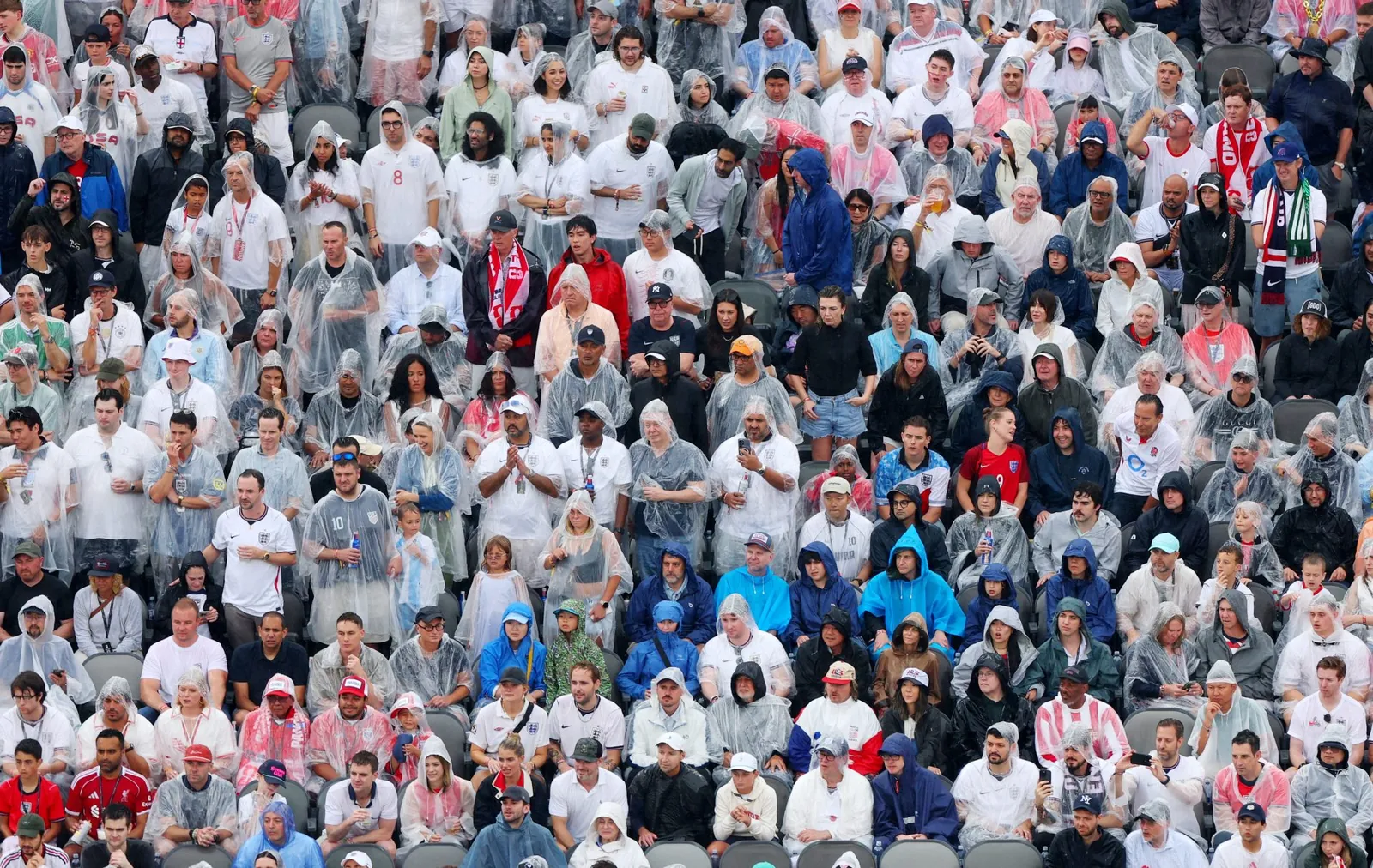
The final will kick off at 3 p.m. Eastern time, which is beneficial for European audiences but poses challenges for players due to the mid-afternoon, mid-July heat. Players have previously raised alarms about the playing conditions at MetLife. During last year’s Club World Cup, Enzo Fernández described the conditions during a July 8 semifinal as “very dangerous” due to high temperatures, with the match kicking off at 96 degrees Fahrenheit. The forecast for Sunday afternoon is 85 degrees Fahrenheit with a chance of thunderstorms.
Playing Surface and Tournament Favorites
The playing surface at MetLife Stadium has also been a point of discussion. FIFA has installed temporary grass pitches at all 16 host stadiums, but several players and coaches have noted that the pitch in New Jersey feels different. Sweden midfielder Taha Ali commented that the grass felt “closest to artificial” turf, while France coach Didier Deschamps suggested there might be “cement below the grass.”
MetLife is unique among the tournament venues for its specific combination of grass and underlying structure, especially as it is typically a turf field when not hosting the World Cup. FIFA opted for Bermuda grass at MetLife, learning from the Club World Cup that New Jersey’s climate was more similar to warmer regions for grass development. This choice aimed to ensure the material could withstand the tournament through the final.
While Spain and Argentina are in the final, some opinions suggest that France might have been considered the best team in the tournament before their semifinal loss to Spain. The match between France and Spain was seen by some as a “final before the final.” However, tournament football is ultimately about finding a way to win matches, which both Argentina and Spain have demonstrated throughout the competition.
The final is set to be a fascinating encounter, with both teams having overcome significant challenges to reach this stage. The individual awards, including the Golden Boot, will be decided after the final match on Sunday.
Read Also
Source: nytimes.com

Mason Reed
Sports reporter covering football, basketball and international competitions.