League and Union Address Player Safety
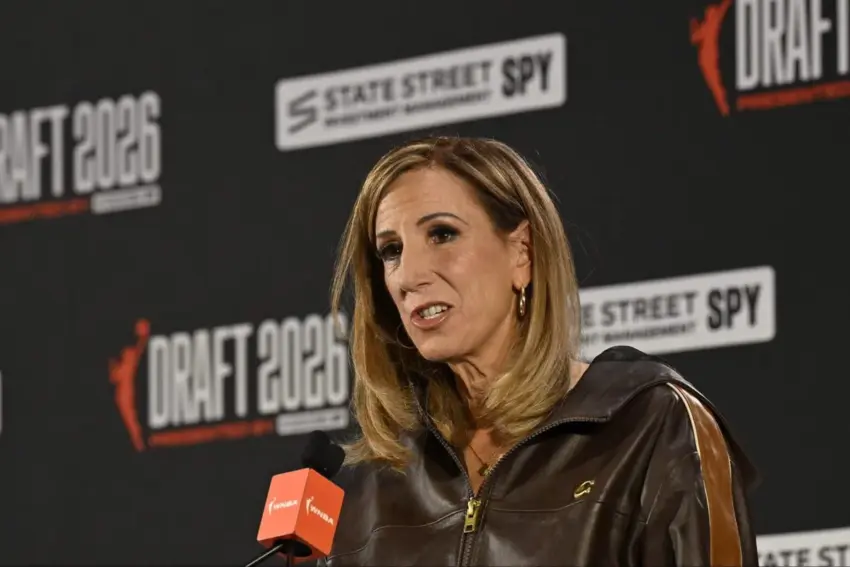
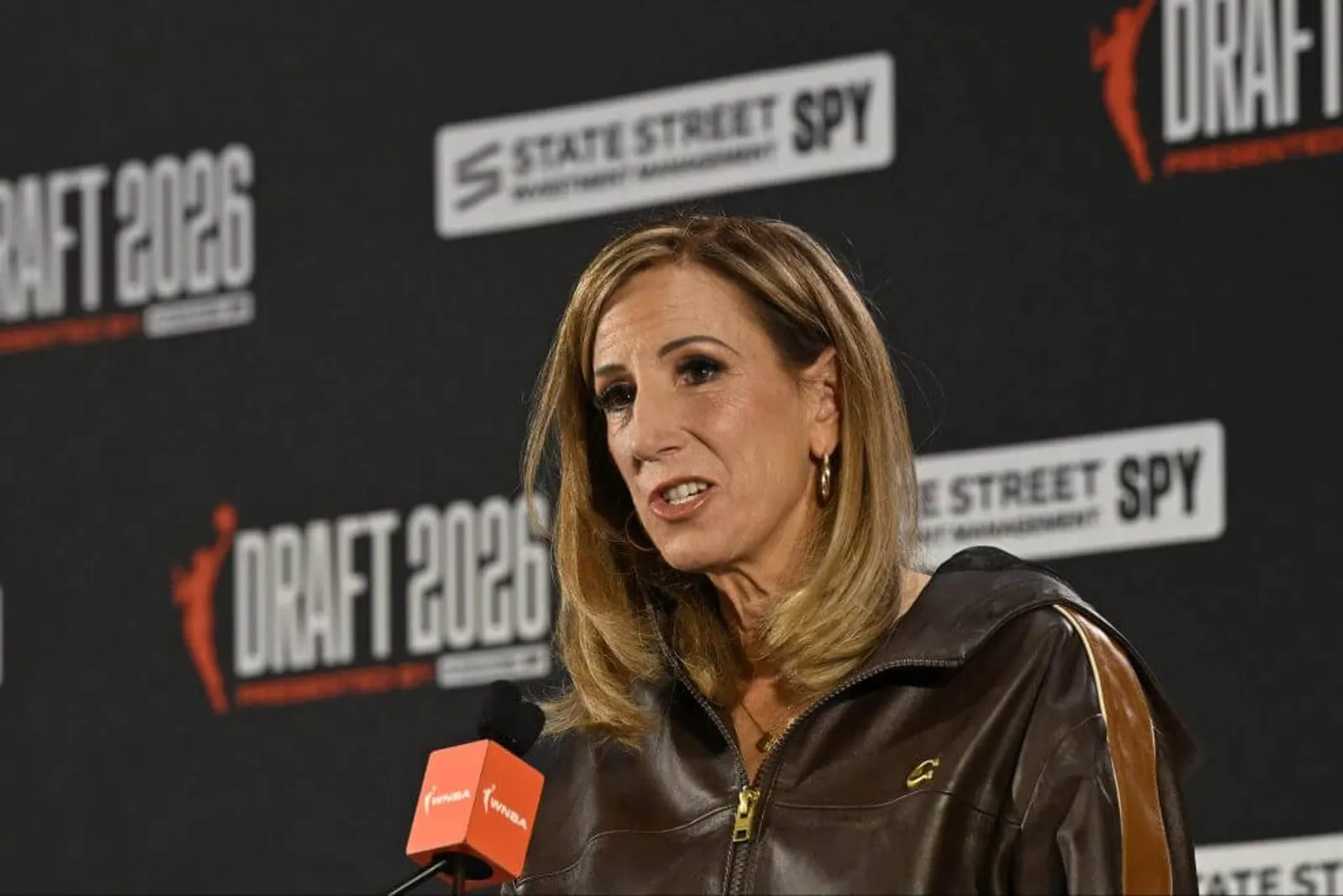
The WNBA and the Women’s National Basketball Players Association (WNBPA) recently held a meeting to discuss player safety and address a rise in online harassment. The discussion on Tuesday, July 21, involved WNBA commissioner Cathy Engelbert, along with leadership from the WNBPA Executive Committee and the Justice, Equity, Diversity and Inclusion (JEDI) Committee. The meeting took place ahead of the 2026 WNBA All-Star Game.
A joint statement released by the league and the union on Wednesday highlighted the conversation’s focus on the increasing number of racist, hateful, and abusive messages directed at players. It also emphasized the importance of early issue resolution through proactive communication and strengthening the relationship between the league and the union. The league has committed to enhancing security resources and plans to collaborate with organizations that align with its values and priorities.
This virtual meeting was requested by the WNBPA following a play involving Phoenix Mercury forward Alyssa Thomas and Indiana Fever guard Caitlin Clark. The WNBPA sought to address how the league could be more proactive in managing crises that significantly affect players.
Player Experiences and Security Enhancements
The meeting included league security personnel and comes after several players raised concerns about health and safety. Alyssa Thomas, for instance, called for action from the WNBA and Commissioner Engelbert after receiving death threats and online abuse. This followed a one-game suspension she received for contact with Caitlin Clark during a game on June 24. Thomas stated that the league did not contact her regarding the suspension or the aftermath of the incident.
Commissioner Engelbert later issued a statement, asserting that player safety and well-being are top priorities. She acknowledged Alyssa Thomas’s comments and the unacceptable experiences of players, noting that the league and its security team had contacted the Phoenix Mercury organization. According to an anonymous source, Engelbert exchanged text messages with Thomas and offered a phone call, also directing league security to contact Phoenix security regarding ongoing threats.
Las Vegas Aces guard Chelsea Gray also shared her experiences with player abuse, including racial slurs. She expressed hope that making such incidents public would provide a realistic view of what she and other Black WNBA players encounter regularly. Gray spoke about being fed up with the messages and deciding to share her experience to shed light on the harassment.
Security measures within the league have seen changes. The WNBA‘s new CBA, a seven-year agreement reached in March, codified security standards for the first time. These standards require each team to have at least one security officer accompany players during all team-related activities. Many teams have implemented these standards over the past three years, with most now traveling with at least two security guards. Dallas Wings forward Alysha Clark noted a significant difference compared to earlier in her career when players flew publicly without security.
New York Liberty‘s Breanna Stewart observed a shift in security measures when she joined the team in 2023, with the Liberty traveling with three security guards. Players are advised that security will be present to ensure their safety during team dinners and other outings. Before this season, each WNBA market had two security representatives working with arena personnel and local law enforcement; this number has increased to three this season.
Addressing Online Harassment and Officiating
Regarding online harassment, established protocols involve players, coaches, and executives reporting such material to team security, who then coordinate with the league. Threats and harassment are assessed by the league’s Global Security Operations Center and investigated as appropriate, potentially leading to bans and referrals to local law enforcement.
Further steps discussed during the meeting included pursuing accountability from technology companies that own social media platforms where players experience harassment. More streamlined communication among team security, the league, and law enforcement was also part of the discussion. Chicago Sky center and WNBPA secretary Elizabeth Williams mentioned that the detailed explanation of the reporting process during the call was helpful, as some players did not fully understand its scope.
Players also emphasized accountability in officiating, particularly concerning the play between Alyssa Thomas and Caitlin Clark, where no foul was called on the court. Thomas later received a fine and a flagrant penalty 2. Elizabeth Williams stated that uncalled fouls can lead to unnecessary backlash for players, which could be avoided if calls were made in real-time. Discussed solutions included a replay center and a Last Two Minute Report, similar to those used in the NBA, though neither option is planned for this season. While no similar meetings are currently scheduled, the idea of making these discussions a more regular occurrence was considered.
Read Also
- California commission backs Herb Dean amid referee criticism
- Charlie Woods eliminated from U.S. Junior Amateur after fan's phone distraction
- Los Angeles Rams coach Sean McVay discusses Aaron Donald's decision-making process
- Portland leaders to discuss Moda Center funding amid Blazers' uncertain future
Source: eu.usatoday.com

Mason Reed
Sports reporter covering football, basketball and international competitions.