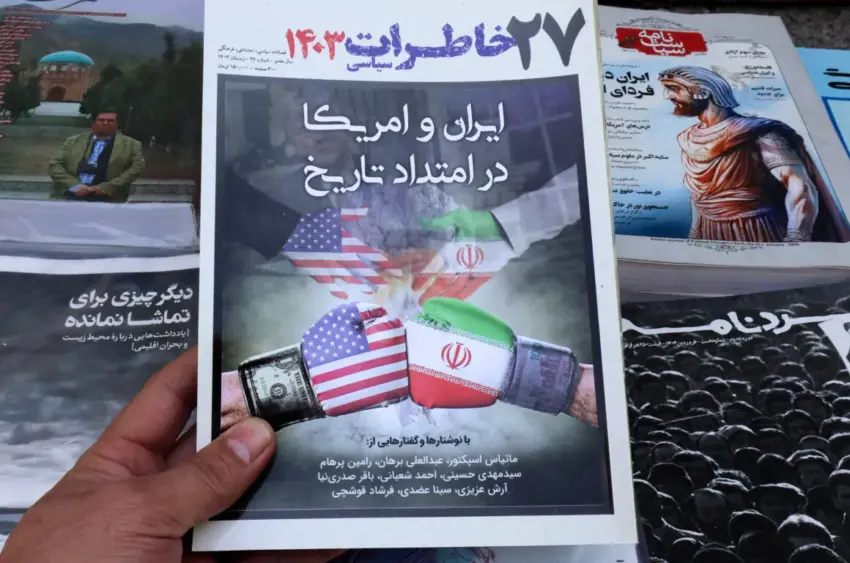
The US-Iran war began on February 28, 2026, a conflict that has now reached a tense standoff with no end in sight. As hostilities escalate, oil prices have surged—Brent crude hitting $126 a barrel—sending shockwaves through the Iranian economy and impacting global markets.
China is watching this war very closely. Analysts in Beijing are dissecting every maneuver of the US military, looking for strengths and weaknesses that could inform their own strategies regarding Taiwan. The Trump administration’s approach to Iran has raised eyebrows; while claiming a ceasefire was reached on April 7, skepticism lingers among observers.
Key facts:
- The US military faces a 60-day deadline under the War Powers Resolution concerning further action in Iran.
- Trump stated that the naval blockade of Iranian ports would continue despite claims of a ceasefire.
- Oil prices have dramatically increased due to the conflict, with Brent crude prices fluctuating between $114 and $126 per barrel.
- The retail gasoline price in California has spiked to $6 per gallon as a direct consequence of these developments.
While Trump insists that “their economy is crashing,” many experts argue that Iran’s resilience is underestimated. The relationship between China and Iran remains friendly—even amidst ideological differences—suggesting a potential shift in alliances as the conflict continues.
Yet, the implications stretch far beyond the Middle East. The ongoing conflict may influence how China strategizes its military posture in the Taiwan Strait. As tensions rise globally, every move counts—and Beijing is paying attention.
Officials maintain that for War Powers Resolution purposes, hostilities have terminated—though this assertion is met with skepticism from various quarters. The landscape is fluid, and reactions from both sides could change at any moment.
The next steps for both nations—and their allies—remain uncertain. With the US military’s credibility reportedly affected by Trump’s treatment of allies during this conflict, observers are left pondering how these dynamics will shift moving forward.

Mark Thompson
Mark is a seasoned journalist with over 10 years of experience covering global news and events.