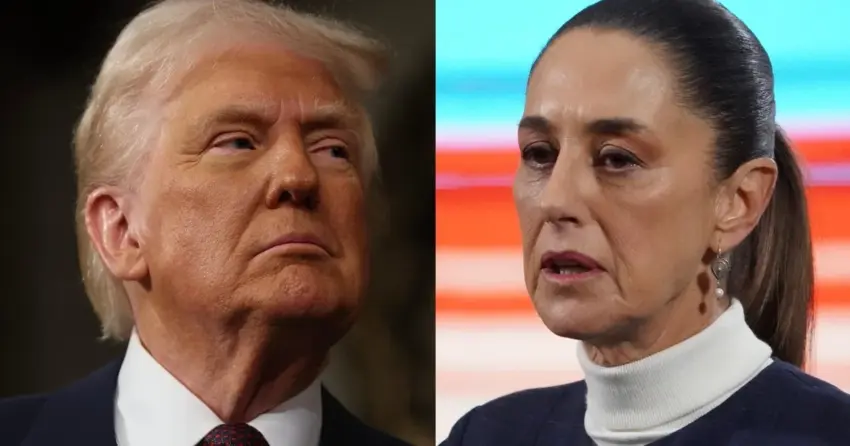
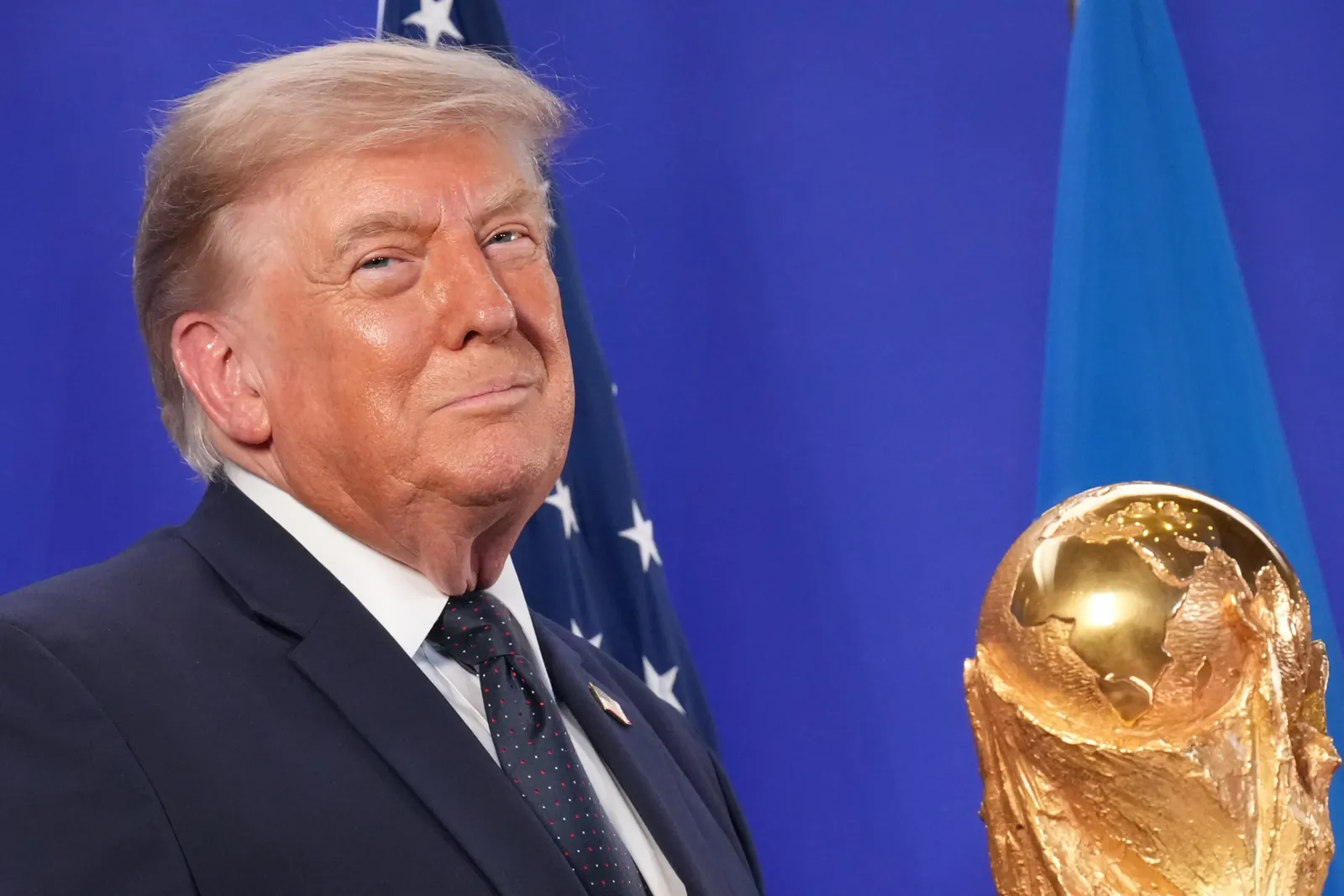
The World Cup final in New York is set to feature Argentina and Spain, with President Donald Trump scheduled to present the trophy. Despite the international competition, Trump has characterized the tournament as a victory for the United States, stating that the country has proven itself a “soccer country” and that the event has fostered global unity.
The White House has managed the logistical complexities of co-hosting the tournament with Canada and Mexico for over a year. This involved balancing the administration’s migration policies, which at times restricted entry for fans from certain countries, with the demands of hosting a major international event. The tournament also faced criticism regarding high ticket prices and initial tensions between local authorities and FIFA over transit costs.
Navigating Challenges and Controversies
The administration encountered scrutiny over its visa decisions, including the denial of entry to a referee from Somalia. Furthermore, a conflict with Iran led to the Iranian team’s fans and some personnel being barred from the U.S., resulting in the team being based in Tijuana, Mexico. Despite these challenges, the narrative of the World Cup shifted as social media highlighted fans from around the world enjoying American culture.
Andrew Giuliani, executive director of the White House FIFA Task Force, noted that the event surpassed expectations, not only showcasing athletic feats but also fostering significant cultural exchanges. He emphasized that early concerns about immigration enforcement near games did not materialize.
A controversy arose when President Trump contacted FIFA chief Gianni Infantino to request a review of a referee’s call during Team USA‘s match against Bosnia and Herzegovina. The call resulted in a red card for U.S. forward Folarin Balogun, which would have prevented him from playing in the subsequent match against Belgium. FIFA later reversed the decision, a move Trump acknowledged as beneficial for the U.S. team, even though they lost the match to Belgium 4-1. Giuliani defended the administration’s right to question officiating, citing the use of video review and slow-motion replay in the decision.
The Trump administration invested federal funding to ensure the World Cup was secure, welcoming, and conducted with integrity. The successful execution of this tournament is seen as important given the U.S. is slated to host the 2028 Summer Olympics in Los Angeles and the 2034 Winter Olympics in Salt Lake City. The U.S. is also widely expected to host the 2031 Women’s World Cup, with Giuliani indicating that hosting duties would involve ensuring only women participate in the event.
International Relations and Attendance
Despite ongoing trade tensions between the U.S. and its co-hosts, Canada and Mexico, leaders from both nations are expected to attend the final. Mexican President Claudia Sheinbaum confirmed her attendance after receiving a direct invitation from President Trump, marking their first meeting since December. Canadian Prime Minister Mark Carney is also expected to be present. This attendance signals that the sporting event can bridge some geopolitical differences, even as Trump has recently threatened tariffs on Canada over wildfires and has chosen not to renew a trade pact among the three countries.
Spanish Prime Minister Pedro Sanchez plans to attend the game. However, Argentine President Javier Milei will not be present, citing superstition. The relationship between the U.S. and Spain has been strained due to Spain’s stance on NATO defense spending and its refusal to allow the U.S. to launch strikes against Iran from its bases. In contrast, President Milei is viewed favorably by the Trump administration.
As is customary for heads of state hosting the tournament, President Trump will present the trophy to the winning team on Sunday.
Read Also
Source: apnews.com

Mason Reed
Sports reporter covering football, basketball and international competitions.