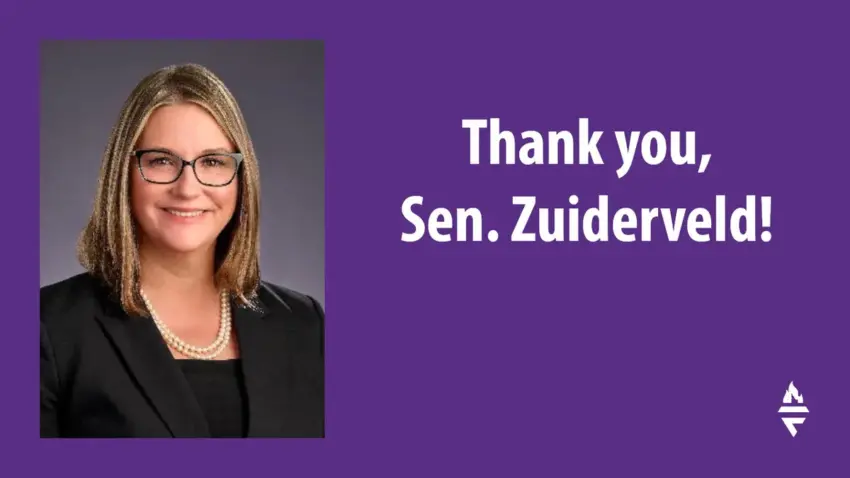
Just before the storm hit, Tom Zuiderveld stood in his office, staring at a stack of invoices. He lost approximately $125,000 in annual commissions after four major dairies cut ties with him. The reason? His wife, Glenneda Zuiderveld, a Republican lawmaker, took a hardline stance on immigration policy.
The first cracks appeared last spring when Glenneda co-sponsored bills requiring E-Verify checks for employers. The dairy industry in Idaho—where 90 percent of the workforce is made up of immigrants—began to feel the pressure. Tom supported his wife’s political ambitions, serving as her campaign treasurer, but it came at a cost.
In July, the dairies that severed their relationships with Tom accounted for roughly 80 percent of his earnings. “They did exactly what they wanted to do: send a message,” he said, reflecting on the fallout from the political divide within the Republican Party.
As the dust settled, Tom found himself grappling with uncertainty. He watched as his financial stability crumbled while the larger implications of these policies unfolded. The Idaho dairy sector is crucial—it employs about 4,500 people and ranks as the third-largest in the United States.
Brent Reinke, an industry expert, pondered aloud: “What’s the impact next week, next month and next year?” The question looms large over many in Idaho’s agricultural landscape.
Glenneda’s rhetoric has polarized opinions within her party. She once stated, “You don’t get to use somebody else’s tax dollars to take care of the lesser of these.” It’s a sentiment that resonates with some but alienates others who rely on immigrant labor for their livelihoods.
The unfolding events have revealed a deeper schism within Idaho’s Republican Party regarding immigration policy. As Rick Naerebout pointed out, this could be a potential tipping point: “Do we continue to shift further to the right, or do we moderate some?” The answer may not be straightforward.
For now, Tom Zuiderveld faces a challenging road ahead. His family’s financial future hangs in the balance amid shifting political tides and an industry that relies heavily on immigrant workers without legal permits.

David Miller
David covers technology, science, and innovation from around the world.