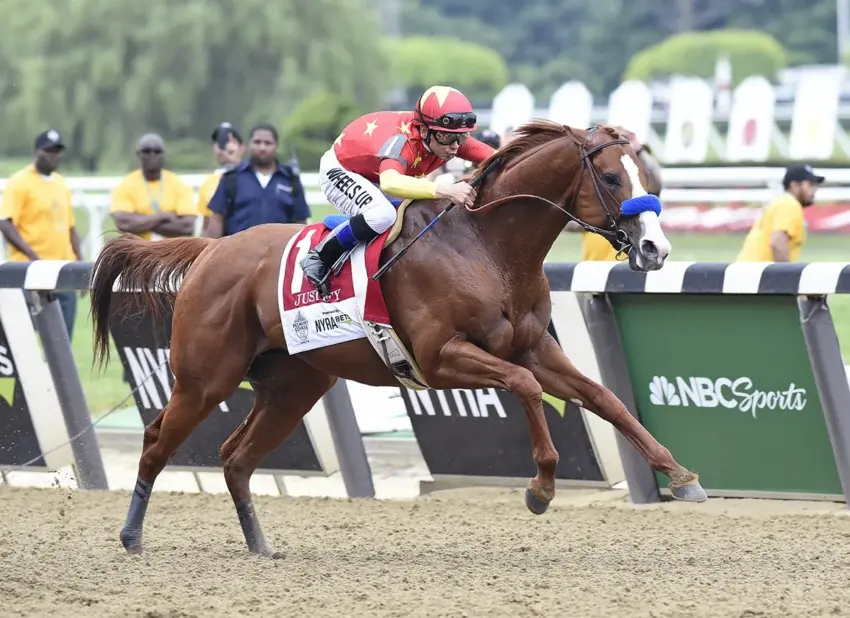
The Preakness Stakes, traditionally held on the third Saturday in May, will move to the fourth Sunday of the month, according to an announcement by Maryland Governor Wes Moore. This shift marks a significant change for the second leg of horse racing’s Triple Crown series.
The decision comes amidst ongoing discussions within the horse racing community regarding the scheduling of major races. For years, participants have argued that the two-week gap between the Kentucky Derby and the Preakness Stakes is no longer suitable for modern equine athletes. In recent years, three of the last five Derby winners have bypassed the Baltimore-based race, effectively ending any chance of a Triple Crown winner early in the season.
Triple Crown Implications
The change in the Preakness schedule, however, does not occur in isolation. It follows an announcement two days prior by Churchill Downs, Incorporated and the New York Racing Association (NYRA) about a new six-race thoroughbred series. This new series, named the Thoroughbred Championship Series, will begin with the Kentucky Derby and conclude with a championship race at Churchill in September.
The Belmont Stakes, the third leg of the Triple Crown, is set to maintain its traditional date on the first Saturday in June. This means that horses aiming for the Triple Crown will now have 13 days between the Preakness and the Belmont, rather than the previous two weeks between the Derby and Preakness.
Some observers suggest this new arrangement could pose challenges for horses, as the Belmont is the longest race in the series, and it will now be run after the shortest recovery period. Despite this, trainer Bob Baffert, who has won the last two Triple Crowns, expressed a positive view on the new calendar. He believes the increased time between races could incentivize Derby winners to compete in the Preakness more often, while maintaining the difficulty of winning the Triple Crown.
Industry Dynamics and Future Outlook
The restructuring of the racing calendar highlights a broader trend of various entities within horse racing pursuing their own interests. The Thoroughbred Championship Series, which does not include the Preakness, is expected to offer substantial purses and a bonus pool, potentially drawing trainers and top horses away from the Preakness.
Maryland racing officials, including the Maryland Jockey Club and the state itself, have been working to revitalize racing in the state. This includes rebuilding Pimlico and acquiring Laurel for use as a training center. The state also paid $85 million to acquire the intellectual property rights to the Preakness.
The long-term relevance of the Triple Crown series is now a subject of discussion. While the series has a rich history dating back to 1919, the new landscape of races and incentives could diminish its prominence. The shift is seen by some as an evolution necessary for the sport, with major organizations collaborating to create a new series. The upcoming year will introduce a new era for 3-year-old male thoroughbreds.
The Thoroughbred Championship Series is expected to include races such as the GI Kentucky Derby, Belmont, GIII Matt Winn Stakes, GII Jim Dandy Stakes, and the GI DK Travers Stakes, culminating in a championship race at Churchill in September.
Source: cnn.com

Mason Reed
Sports reporter covering football, basketball and international competitions.