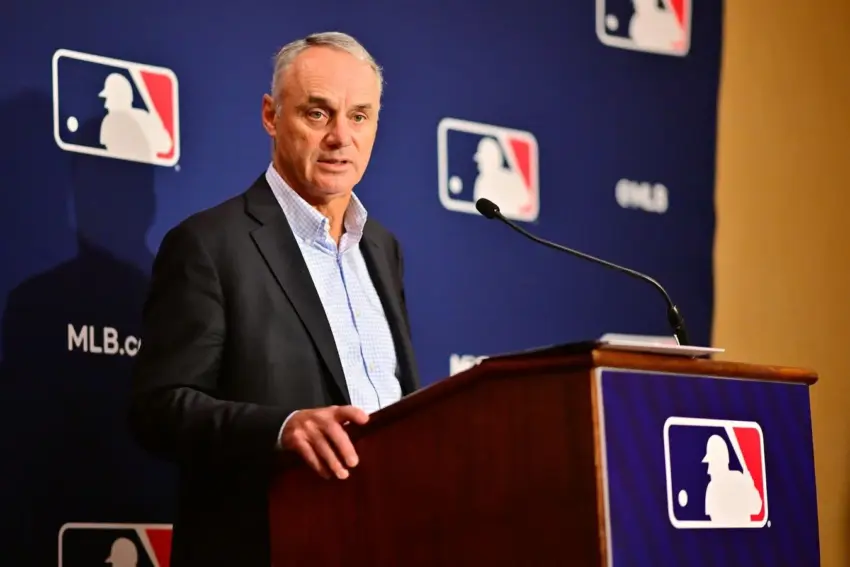
MLB Players Push Back on Salary Cap Proposal
Major League Baseball players, including New York Mets outfielder Juan Soto, have voiced strong opposition to the league’s proposal for a salary cap system. The league’s owners are seeking to implement a salary cap in labor negotiations before the current collective bargaining agreement concludes on December 1. Soto, who is currently under a substantial long-term contract, indicated that the league’s proposal would significantly limit contract years and total value for players.
The league’s proposal aims to cap team spending at $245.3 million starting in 2027, while also raising the payroll floor to $171.2 million. This initiative has been met with little enthusiasm from many prominent players across the league.
Los Angeles Angels outfielder Mike Trout commented on the situation, stating that the proposal attempts to minimize contract years and overall financial totals. He emphasized that baseball is currently in a good position and should not be negatively impacted. The Major League Baseball Players Association (MLBPA) has historically opposed a salary cap, maintaining this stance over time.
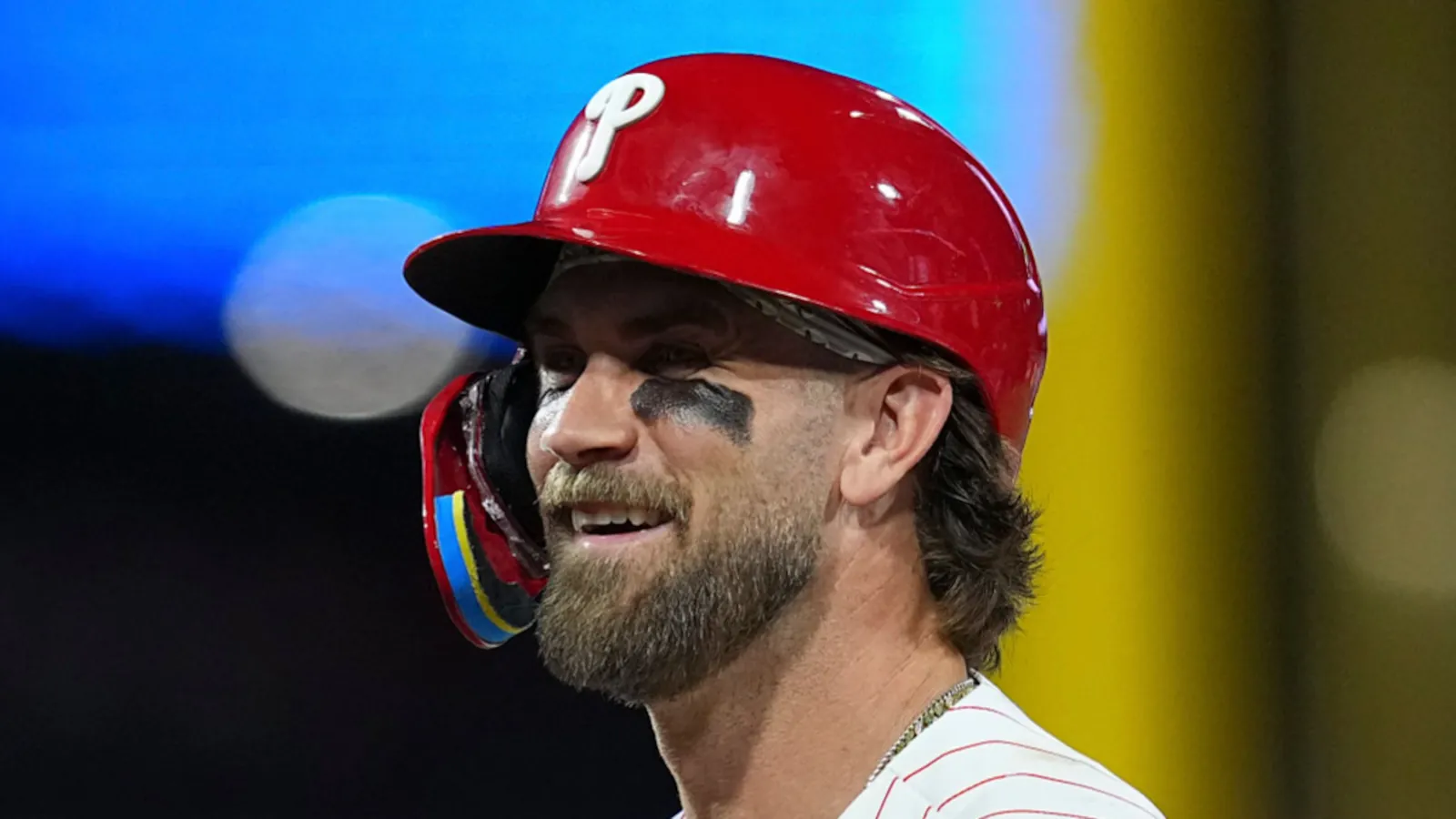
Philadelphia Phillies superstar Bryce Harper highlighted the importance of players being compensated fairly, referencing the MLBPA’s long-standing efforts against the league and owners since its formation in the 1970s. Harper believes players have a responsibility to uphold the fight for fair compensation, honoring those who came before them.
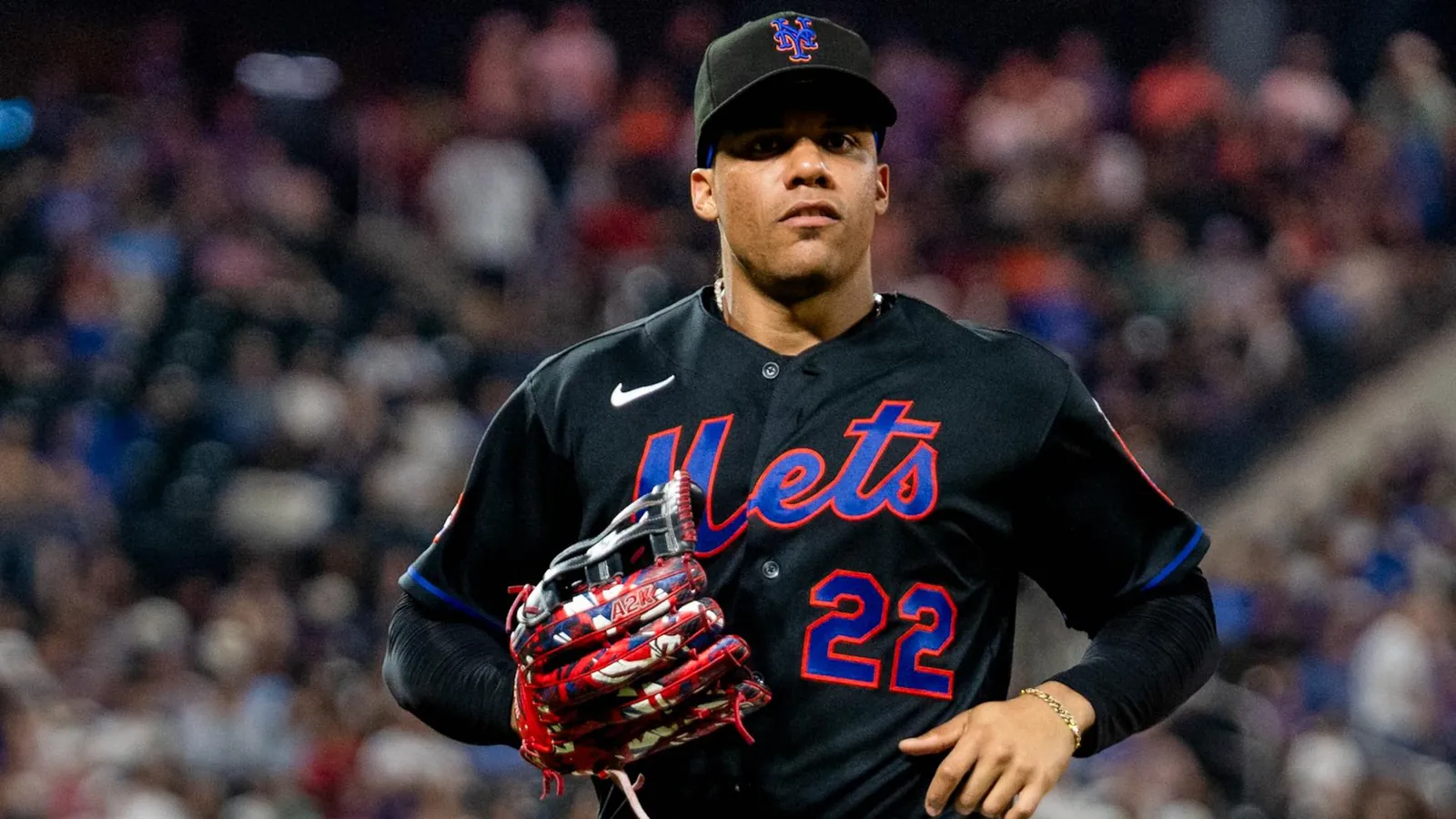
The potential for a lengthy work stoppage resulting from the rejection of a salary cap appears to be something many players are prepared for. Pittsburgh Pirates ace Paul Skenes noted that both sides have their non-negotiable positions. He suggested that there is still considerable time for movement in negotiations, as both MLB and the players are presenting their ideal offers.
Economic Disparity and Competitive Balance Concerns
The league’s push for a salary cap system comes amidst discussions about economic disparity within MLB. While there is debate about whether the issue lies more with lower-payroll teams or higher-payroll teams, a significant gap exists. For 2025, the Dodgers had a Luxury Tax payroll of $417,341,608, in contrast to another team’s $86,926,975, representing a difference of $330,414,633.
Luxury Tax payrolls are a key factor, as they form the basis for the league’s proposed hard cap and floor for 2027. The MLBPA has argued that using Luxury Tax payrolls does not accurately reflect how a cap system would function, especially since Luxury Tax penalties are funneled back to lower-revenue clubs as revenue sharing. Last year, a record $402,637,907 was paid in Luxury Tax penalties.
Projections for 2025 indicate a projected $407 million Luxury Tax payroll for the Dodgers, while another team is projected at $85 million. This highlights the considerable economic gap between teams. The players’ union suggests that without a payroll floor, clubs may be pocketing revenue sharing rather than actively competing. Owners are currently not considering a floor system without a corresponding cap.
League executives have asserted that the Luxury Tax system is not working, citing the payroll gap over several rounds of bargaining. Despite previous statements suggesting the system was effective, league officials now believe it has failed to address competitive concerns. Penalties for high-spending teams were introduced in the current labor deal to curb excessive spending, but the union has aimed to avoid a system that acts as a true soft cap.
The league is also engaging in public relations efforts to advocate for a cap system, with content appearing on MLB social media accounts alongside game highlights. This approach has drawn criticism from Bruce Meyer, interim executive director of the MLBPA, who suggested that MLB is using a political ad-style campaign to mislead fans and justify a system that would benefit owners financially.
Impact on Players and Historical Context
Hard cap systems are often designed in a way that can create divisions among players, as money spent on one player can be seen as redistributed from another. The league’s proposals include a significant increase in the minimum salary, from $780,000 in 2026 to $1 million in 2027, for players with at least two years of service. Players with less service time would also see an increase to $1 million if they receive a full year of service, including a $100,000 service bonus from the Pre-Arbitration Bonus Pool.
Historically, the league’s owners first sought a salary cap in 1994, which led to a player strike that canceled the 1994 postseason, including the World Series. The strike concluded after 232 days on April 2, 1995, following an injunction that blocked team owners from unilaterally eliminating free agency and salary arbitration. While no direct attempt at a cap system has been made since then, it has remained a long-term objective for owners.
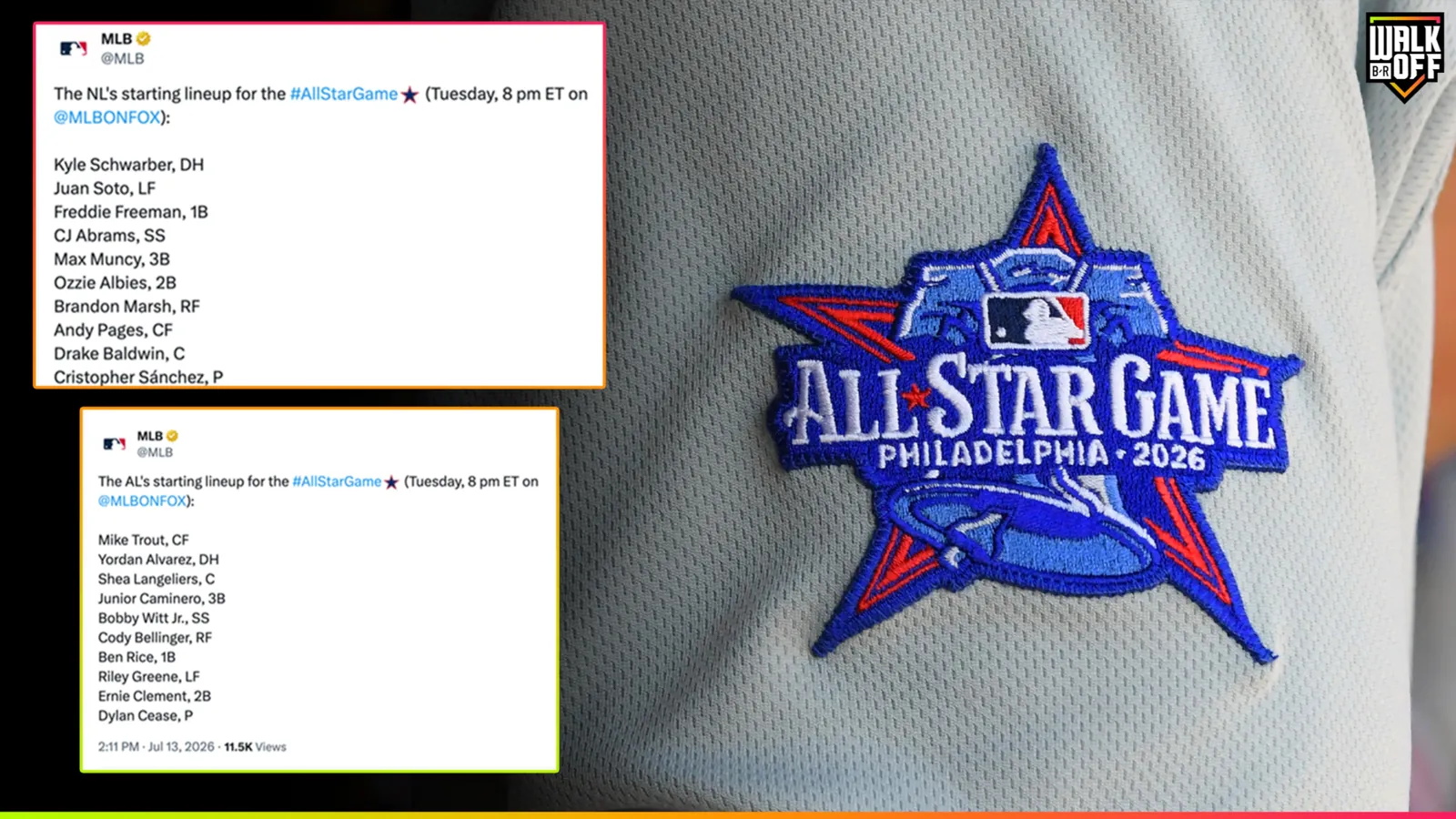
The current debate continues as the 2026 season approaches the All-Star break, with the league and the MLBPA engaged in discussions over the inclusion of a salary cap system in the next collective bargaining agreement, which is set to expire on December 1.
Read Also
Source: bleacherreport.com

Mason Reed
Sports reporter covering football, basketball and international competitions.