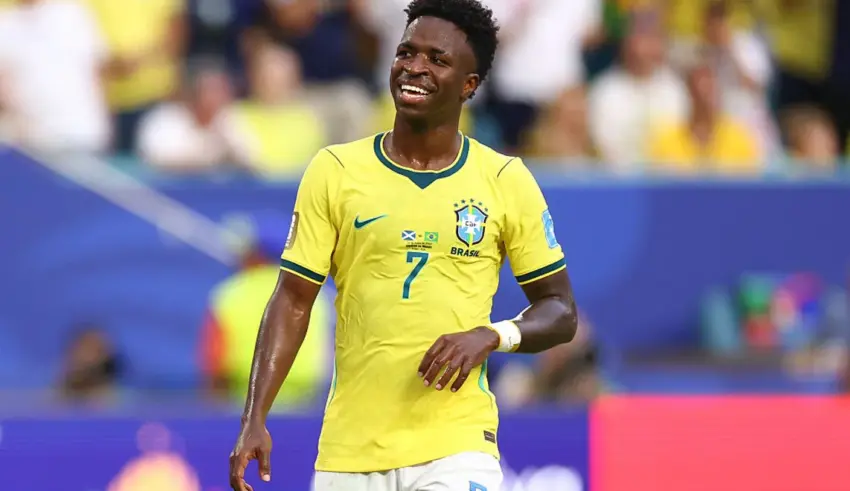
The 2026 FIFA World Cup continues with a highly anticipated Round of 32 match between Brazil and Japan. The game is scheduled for 1 p.m. ET in Houston, Texas, at the NRG Stadium. This encounter marks the 74th game of the tournament, bringing together a storied football nation and a resilient challenger.
Brazil, a team with a rich history in the World Cup, enters the match with confidence, having won 11 of their 14 previous meetings against Japan. Their sole defeat against Japan occurred eight months ago in a friendly match where Japan overcame a 2-0 deficit to win 3-2. This previous result serves as a cautionary tale for Brazil‘s key players like Casemiro and Vinícius Jr.
Team Lineups and Tactical Approaches
Brazil‘s manager, Carlo Ancelotti, has opted for a consistent lineup, making no changes after their recent victory against Scotland. The team will play in a 4-3-3 formation:
- Goalkeeper: Alisson
- Defenders: Danilo, Marquinhos, Gabriel, Douglas Santos
- Midfielders: Guimaraes, Casemiro, Paqueta
- Forwards: Rayan, Cunha, Vinicius Jr.
In contrast, Japan‘s manager, Hajime Moriyasu, has made four changes to the squad that drew 1-1 with Sweden. Moriyasu, who has managed Japan for eight years and secured 74 wins in 107 games, is known for his strategic adjustments. Japan will line up in a 3-4-2-1 formation:
- Goalkeeper: Zion Suzuki
- Defenders: Tomiyasu, Toniguchi, Hiroki Ito
- Midfielders: Doan, Sano, Kamada, Nakamura
- Forwards: Junya Ito, Maeda
- Striker: Ueda
The changes for Japan include Takehiro Tomiyasu and Shogo Toniguchi joining the back three, replacing Ayumu Seko and Ko Itakura. In midfield, Kaishu Sano comes in for Ao Tanaka. Further up the field, Junya Ito will play at inside-right, with Ritsu Doan moving to right wing-back, taking the place of Yukinari Sugawara.
Key Players and Match Conditions
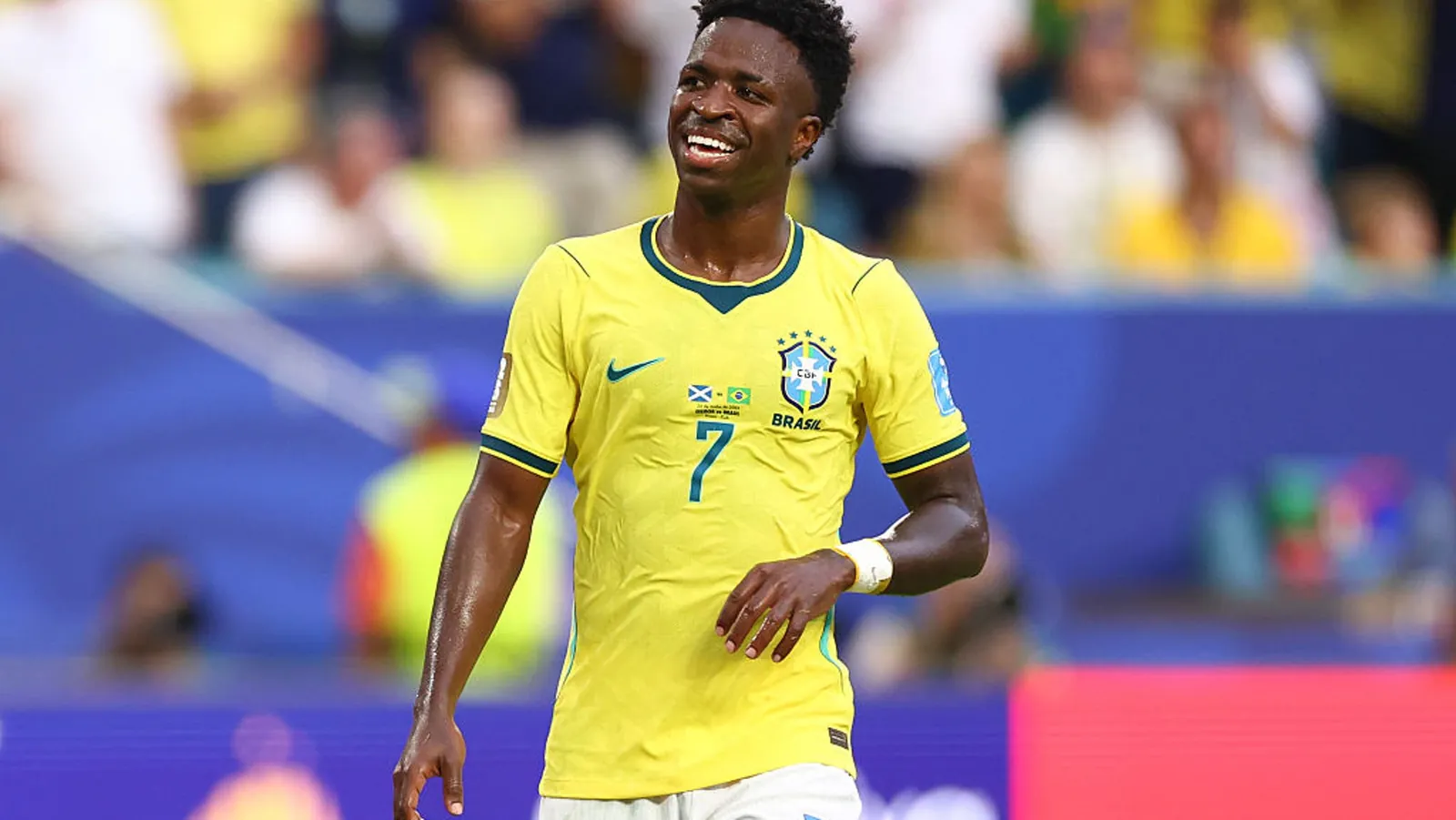
For Brazil, much attention will be on Vinícius Jr., the Real Madrid attacker, who is considered a crucial offensive player for the team. His performance in the group stages, including an equalizer against Morocco, highlighted his importance. If Vinícius Jr. performs well, Japan could face a significant challenge. However, if he struggles, Japan might have an opportunity to cause an upset.
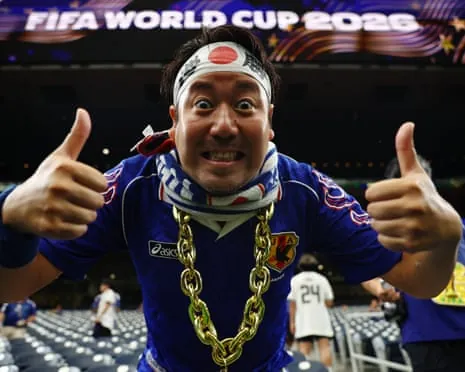
Despite potential high temperatures of 33-34 degrees Celsius in Houston, the match will be played in the air-conditioned NRG Stadium. Reports from pitchside indicate comfortable conditions of approximately 21-22 degrees Celsius, suggesting that the heat will not be a factor for the players.
Both teams enter this match unbeaten in the tournament, setting the stage for a potentially extended contest beyond 90 minutes. Japan has demonstrated resilience, notably coming from behind twice to equalize against the Netherlands in a previous match.
Historical Context and Expectations
Brazil‘s history in the World Cup dates back much further than Japan‘s, whose first tournament appearance was in 1998. The only other time these two teams met in a World Cup was 20 years ago in Germany, where Brazil secured a 4-1 victory. This historical dominance, combined with Brazil‘s current form, leads many to expect them to advance.
However, the recent 3-2 friendly loss to Japan, where Brazil squandered a 2-0 lead, serves as a reminder of Japan‘s ability to stage a comeback. This type of turnaround, known as a ‘virada’ in Brazilian football slang when a team loses after scoring the opening goal, highlights the unpredictable nature of knockout stage football.
The NRG Stadium has previously hosted five group games in this World Cup. Three of these were high-scoring affairs, including Germany‘s 7-1 win over Curacao, the Netherlands‘ 5-1 victory against Sweden, and Portugal‘s 5-0 defeat of Uzbekistan. The other two matches, Portugal 1-1 DR Congo and Cape Verde 0-0 Saudi Arabia, were more tightly contested, suggesting that today’s game could unfold in various ways.
The match between Brazil and Japan is one of three marquee matchups scheduled for Monday, June 29, in the Round of 32. Other games include Germany against Paraguay and Morocco facing the Netherlands.
Read Also
Source: theguardian.com

Mason Reed
Sports reporter covering football, basketball and international competitions.