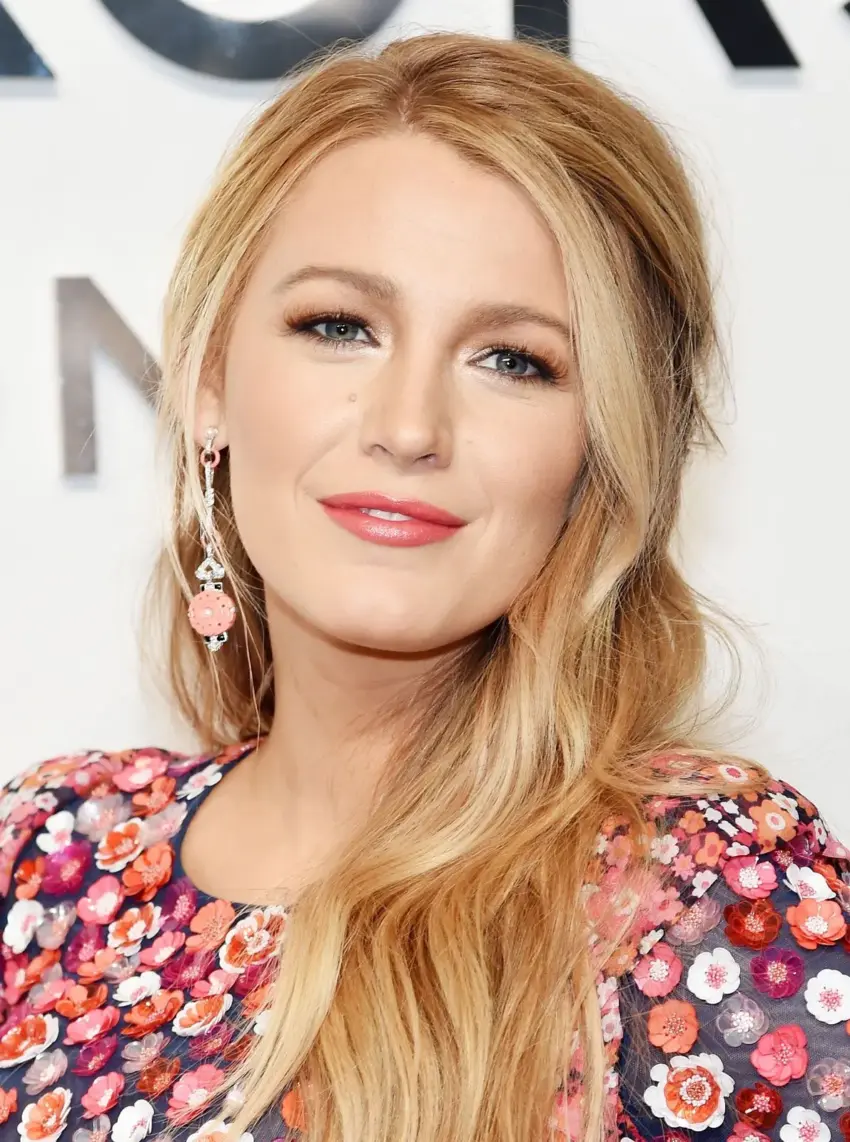
Blake Lively’s legal dispute with Justin Baldoni came to a close when the two settled just two weeks before their trial. The case centered around accusations of sexual harassment on the set of their 2024 film, It Ends With Us, raising significant concerns about workplace safety and retaliation in Hollywood.
In December 2024, Lively filed an administrative complaint with the California Civil Rights Department, alleging that she faced retaliation for advocating for a safer working environment. The film, which grossed over $350 million worldwide, became overshadowed by these serious allegations. Initially, Lively brought forth 13 civil claims; however, Judge Lewis Liman dismissed 10 of them, including all claims for harassment.
As the trial approached, tensions mounted. Lively’s attorney stated that exposing what they termed the “smear machine” was an essential step toward justice for her. They emphasized that speaking out against such practices is both difficult and necessary. In light of these events, Lively expressed hope that the court’s decision would inspire others to speak up against similar injustices.
Key facts about the case:
- Lively accused Baldoni of sexual harassment during filming.
- The film It Ends With Us grossed more than $350 million globally.
- Lively described her experience as facing retaliation for her efforts.
- The terms of the settlement were not disclosed publicly.
Just days after reaching this settlement, Lively made a striking return to the public eye at the 2026 Met Gala. She wore an archival Atelier Versace gown adorned with three-dimensional architectural elements inspired by 18th-century Venetian Rococo paintings. It marked her first appearance at the gala since 2022—a moment she described as an honor to attend alongside Donatella Versace.
Lively reflected on her choice of attire: “Clothing really is a canvas, and it tells a story… to be able to pull from a piece that has its own history felt special.” This sentiment resonates deeply given her recent struggles and triumphs in navigating both personal and professional challenges.
The joint statement released by both parties after the settlement emphasized pride in their collaboration on It Ends With Us. Yet, it also underlined the complexities surrounding workplace dynamics in an industry often criticized for its treatment of individuals who speak out against misconduct.
This saga highlights ongoing issues within the film industry regarding workplace safety and retaliation—problems that continue to surface as more individuals come forward with their stories. As Blake Lively moves forward from this chapter, her experience may serve as a catalyst for change within Hollywood and beyond.

David Miller
David covers technology, science, and innovation from around the world.