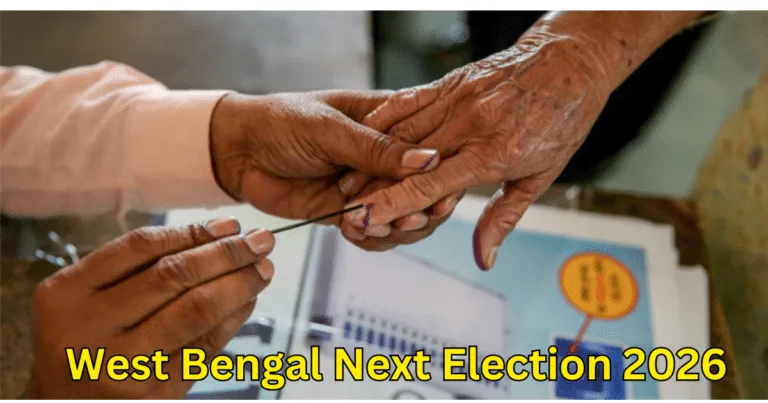
In a surprising turn of events on May 4, 2026, the BJP claimed victory in West Bengal, winning or leading in 200 out of 294 seats—a monumental shift for a party that has struggled to gain traction in this historically challenging state. The elections saw an unprecedented voter turnout of 92.93 percent, with nearly 68.2 million people casting their votes.
The backdrop to this electoral upheaval was a decade-long reign of the TMC, led by Mamata Banerjee, who had been in power since 2011. The party’s welfare schemes had garnered significant support among various demographics, yet whispers of anti-incumbency began to echo through the streets. Many voters felt that while Mamata had her supporters, she was increasingly catering to specific communities—particularly Muslims—to maintain her grip on power.
As the BJP campaigned vigorously, they capitalized on this sentiment. Their strategy focused on welfare initiatives that resonated with the electorate’s needs and concerns. They painted a picture of a government that could unite Hindus and other communities against perceived favoritism—a tactic that some experts argue intensified Hindu-Muslim polarization.
Key statistics from the election:
- BJP won or was leading in 200 out of 294 seats.
- TMC managed to secure only 87 seats.
- Voter turnout reached an impressive 92.93 percent.
- This victory marks the BJP’s best performance, surpassing their previous high of 77 seats in 2021.
The aftermath of this election has sent shockwaves through West Bengal’s political landscape. Mamata Banerjee’s administration now faces intense scrutiny as it grapples with the implications of losing such a significant portion of its support base. Political analysts suggest that while she remains popular among certain factions, there is undeniable evidence of anti-incumbency against her party’s machinery.
Expert opinions highlight:
- Seema Das remarked, “Didi has lost the track and only appeases Muslims to stay in power.”
- Rahul Verma noted, “There is visible support for Mamta and she remains popular, but there is anti-incumbency against the TMC machinery.”
- Praveen Rai emphasized that “the party system had turned hostile towards the people who did not subscribe to their ideology.”
- Suvendu Adhikari expressed gratitude towards voters: “I want to thank every Hindu Sanatani who cast their votes in favour of the BJP.”
This election not only reshaped West Bengal’s political dynamics but also raised questions about future governance and community relations within the state. As parties reassess their strategies and voter alignments shift, one thing is clear—the landscape has transformed dramatically since May 4, 2026.

Sarah Jenkins
Sarah is an investigative reporter focusing on politics and social issues.