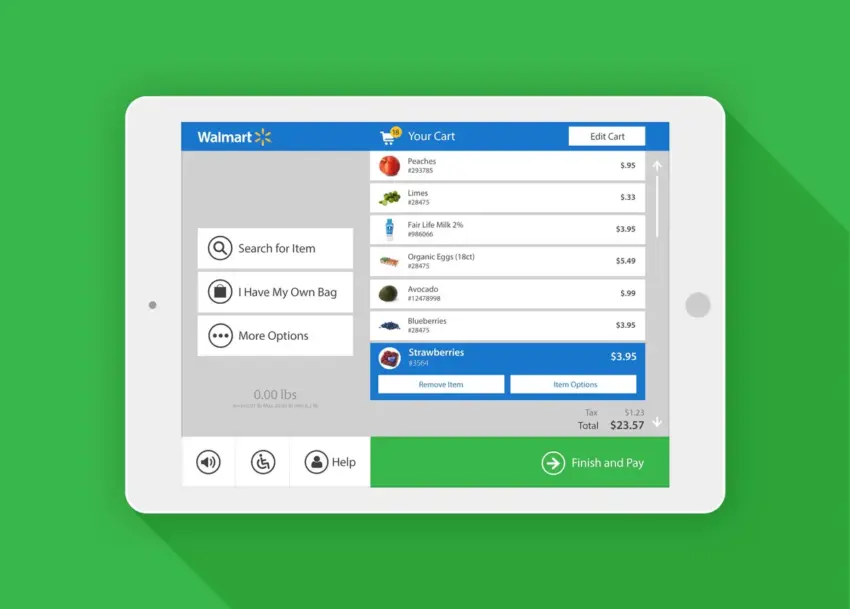
In a surprising move, Walmart has begun removing self-checkout lanes from its South Philadelphia store, a decision rooted in rising concerns about theft and the checkout experience. Customers have voiced frustration over long lines, whether at self-service or staffed registers.
Just last month, Walmart’s spokesperson noted that these changes are guided by feedback from associates and customers, reflecting local shopping patterns. The retailer is not alone; Dollar General recently eliminated self-checkouts from 12,000 stores nationwide.
Statistics reveal a troubling trend: nearly 69% of self-checkout users believe these kiosks facilitate easier theft. A December 2025 survey found that 27% of users admitted to intentionally taking an item without scanning it. Even more alarming, 36% reported accidentally leaving with an unscanned item—and of those, 61% kept it.
The shift away from automation aims to improve customer service. Long lines have become a common complaint. One Walmart customer expressed, “I stop at Walmart to grab lunch because the prices can’t be beat on many things. I just want one or two items for my lunch and I get to the checkout and it’s a massive line no matter if you want self checkout or human checkout.” It’s clear that the checkout experience is pivotal for shoppers.
As retailers grapple with these issues, legislators in several states are pushing for regulations on self-checkout systems. This heightened scrutiny reflects broader concerns about retail theft and safety—issues that Amanda Farías highlights when she states, “We’ve seen the consequences of removing workers from these spaces: increased retail theft, less oversight, fewer protections for both workers and customers and generally decreased safety.”
Experts like Neil Saunders suggest that forcing more customers to use manned checkouts can resolve many of these issues while saving retailers money. As this trend unfolds, it raises questions about how automation will evolve in retail environments.
The current landscape shows a clear pivot towards prioritizing customer service over automation. With Walmart leading the charge in South Philadelphia—and other retailers likely to follow—this could signal a significant shift in how we shop.

Mark Thompson
Mark is a seasoned journalist with over 10 years of experience covering global news and events.