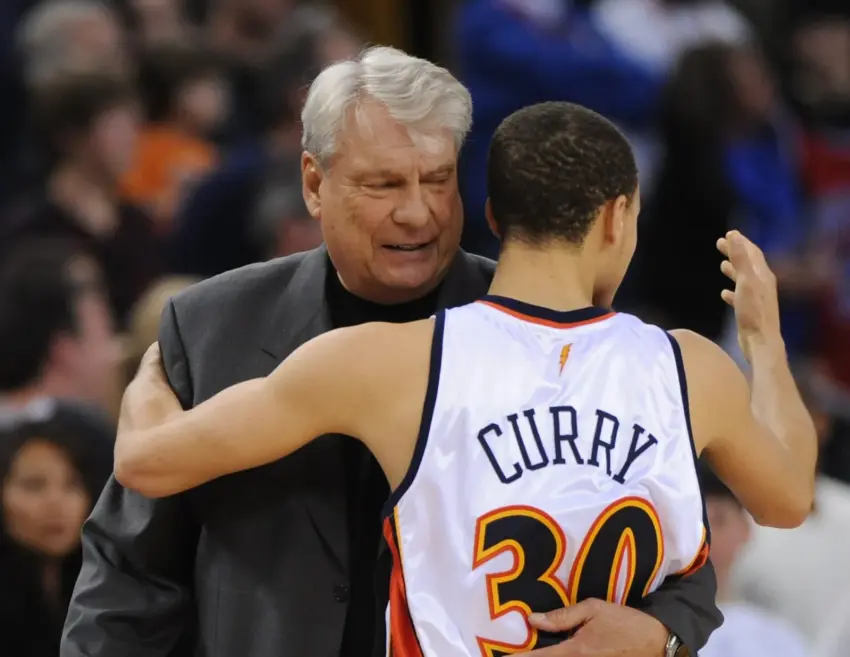
Don Nelson, a five-time champion as a player for the Boston Celtics and an innovative Hall of Fame coach for four NBA clubs, passed away on Sunday at 86, his family announced. The cause of death was not disclosed. His family released a statement through sports journalist Marc Stein, noting that Nelson “peacefully went to be with the Lord, surrounded by his loving family.”
Nelson spent 11 seasons with the Celtics after being waived by Los Angeles, and then dedicated another 31 years to coaching. His career in basketball spanned nearly half a century. Nelson’s No. 19 jersey was retired by the Celtics, a testament to his impact despite his self-described physical limitations. He once stated, “I didn’t have the size, speed or jumping ability most forwards have. So I had to compensate by working at it and trying to play a smart game instead of an emotional one.”
A Player’s Journey and Celtics Legacy
Growing up in rural Illinois, Nelson developed his game by shooting at a bicycle wheel attached to a shed. After a standout career at the University of Iowa, he was drafted in the third round by the Chicago Zephyrs in 1962. Following two seasons with the Lakers, he was waived in 1965. The Celtics, seeking a replacement for the retired Tom Heinsohn, signed Nelson as a free agent for $4,000 less than his previous salary. Coach Red Auerbach reportedly paid the Lakers a $1,000 fee for what he called “the best deal I ever made.”
Nelson exceeded modest expectations, consistently scoring in double figures during his time in Boston and developing a unique one-handed free-throw technique. Teammate John Havlicek noted that Nelson’s contributions often went unnoticed due to his deceptive and unspectacular style, but were recognized by both his team and opponents. His most famous shot, a 15-footer that bounced high off the rim before falling through, occurred in the seventh game of the 1969 finals against Los Angeles, securing a crucial cushion for the Celtics in their one-point lead. This basket contributed to Boston’s 11th title in 13 years.
Nelson’s adaptability and reliability were key during the Celtics’ rebuilding phase after the retirements of Bill Russell and Sam Jones. He transitioned from a sixth-man role to a starter and even filled in at center against formidable opponents like Wilt Chamberlain and Kareem Abdul-Jabbar. Cleveland coach Bill Fitch described him as “a pro” who always did what was necessary. Nelson’s dependability was evident as he played 463 consecutive games, setting a club record. He was a vital contributor in the 1974 playoffs, averaging 15 points against Buffalo and New York, and helped double-team Abdul-Jabbar in the seventh game of the finals against Milwaukee, which Boston won by 15 points. In the subsequent season, Nelson led the league in field-goal percentage.
He concluded his playing career as a champion in 1976 when Boston defeated Phoenix. Two years later, when his number was retired, Nelson mused about his legacy, suggesting he might become a trivia question compared to other Celtics greats. He received the Hall of Fame’s Chuck Daly Lifetime Achievement Award last year.
Revolutionizing Coaching with “Nellie Ball”
After his playing career, Nelson considered becoming a referee or selling cars before accepting a position as an assistant coach for Milwaukee. He unexpectedly became head coach during the 1976-77 season after Larry Costello resigned. Despite initially feeling unprepared, Nelson reversed the team’s fortunes, transforming Milwaukee into a perennial playoff contender with seven consecutive divisional titles. His coaching strategy, known as “Nellie Ball,” was unconventional, often utilizing two forwards and three guards to create offensive mismatches and reduce the role of the center. This up-tempo offense, which disoriented opponents, is seen as a precursor to modern “small ball” systems.
Nelson, a three-time Coach of the Year, was known for his ability to turn struggling teams into playoff contenders. As a general manager, he made bold trades to upgrade rosters. He holds the second-most coaching wins in NBA history with a record of 1,335-1,063 over 31 seasons, having coached the Milwaukee Bucks, New York Knicks, Dallas Mavericks, and Golden State Warriors. He was surpassed only by Gregg Popovich, who served as his assistant with the Warriors in the early 1990s.
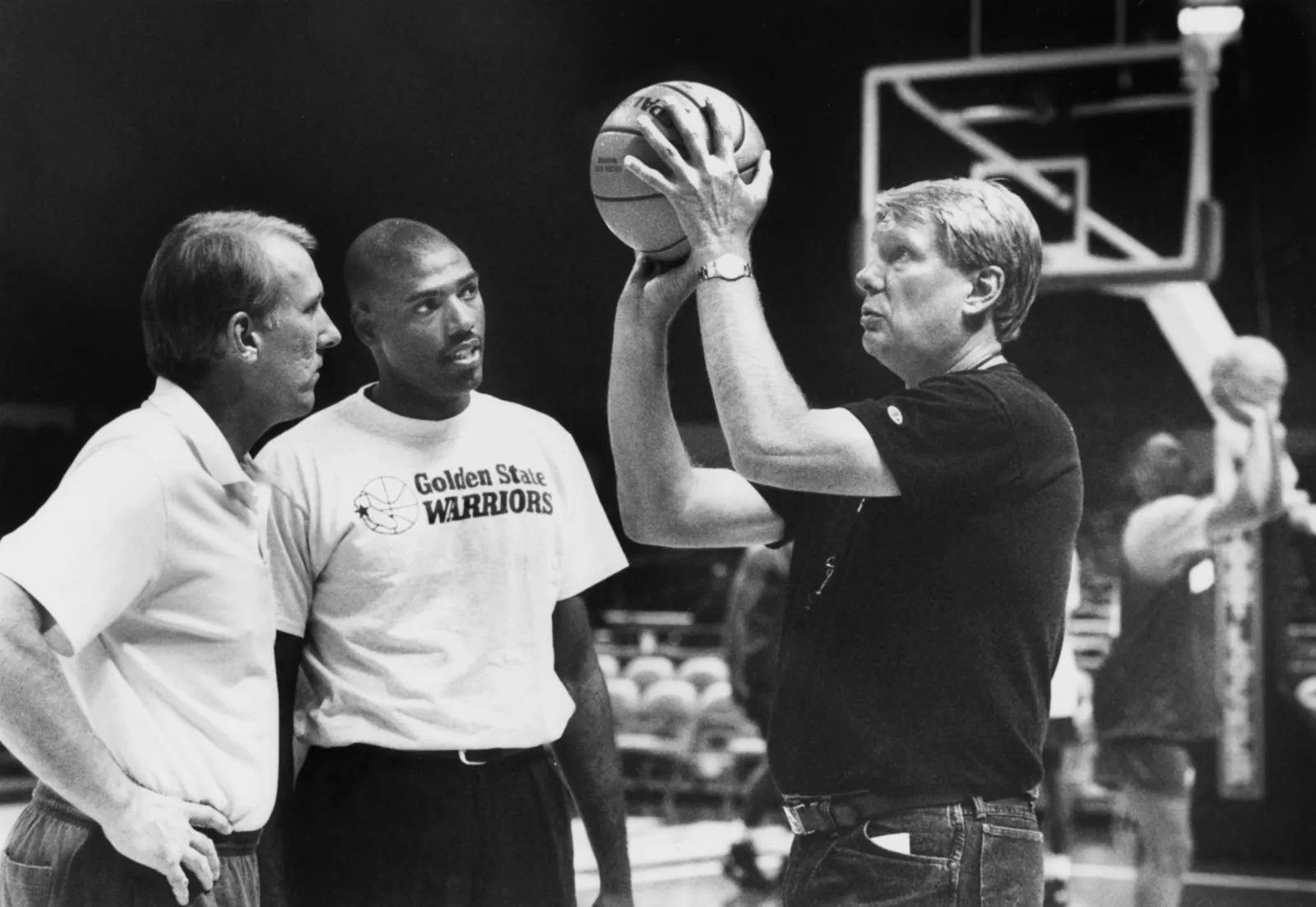
Under Nelson’s direction, the Golden State Warriors, who had won 20 games in 1987-88, saw significant improvement. With young stars like Chris Mullin and Mitch Richmond, the team achieved a 43-39 season and swept the higher-seeded Utah Jazz in the first round of the playoffs. The addition of Tim Hardaway in the following season further solidified the “Run TMC” era, leading to four playoff appearances in six full seasons under Nelson. Chris Mullin expressed gratitude, stating, “Nellie was more than a coach to me; he was someone who truly cared.”
Nelson’s tenure with the Dallas Mavericks, which began in 1997 after a season in New York, saw the team make the playoffs four consecutive times. This success followed his draft-day trade that brought future stars Dirk Nowitzki and Steve Nash to the team. Dallas Mavericks Governor Patrick Dumont credited Nelson with transforming the franchise and bringing “a winning culture” to the city. Dirk Nowitzki acknowledged Nelson’s profound impact, stating, “I don’t think my career could have turned out how it did without you being my first coach and giving me the freedom to play my game.”
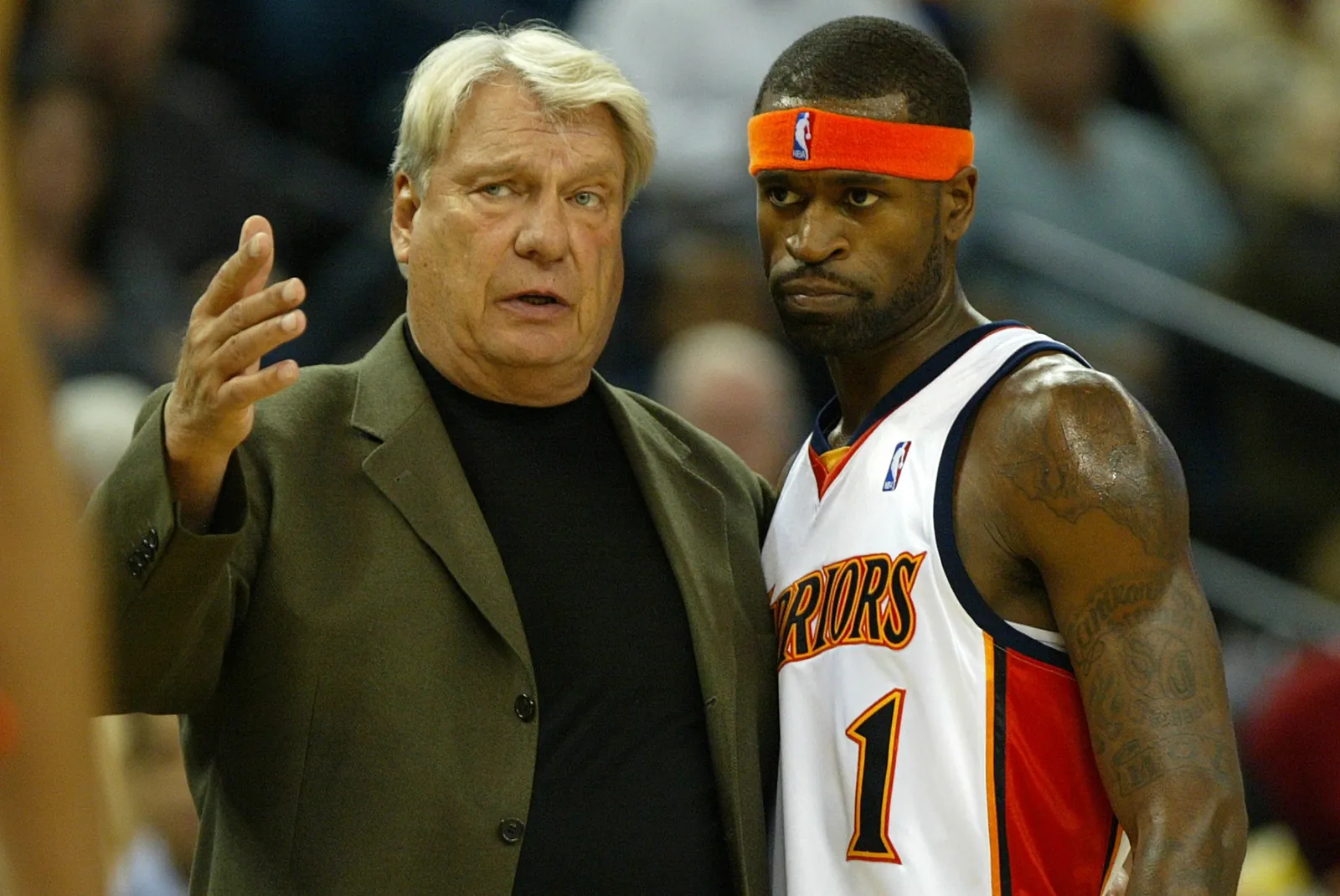
In 2006, Nelson returned to Golden State, a team that had not qualified for the postseason since his previous departure over a decade prior. The Warriors immediately achieved a notable upset, ousting the top-ranked Dallas Mavericks in the first round of the playoffs. This team, known as the “We Believe” squad, featured players like Baron Davis, Al Harrington, Stephen Jackson, Monta Ellis, and Jason Richardson, all averaging 16 or more points. Stephen Jackson remarked, “Nellie believed in me more than any coach I ever played for. He embraced me from Day 1.”
Nelson’s second stint with the Warriors also included the rookie season of Stephen Curry. Curry, now a four-time champion and two-time MVP, noted that Nelson, despite not typically favoring rookies, challenged him and provided an opportunity to excel. NBA Commissioner Adam Silver praised Nelson’s impact, stating, “He brought an unmistakable personality to everything he did, and his impact on our sport will continue to be felt for generations.”
In 2000, Nelson revealed a cancer diagnosis and later underwent surgery for prostate cancer. He was inducted into the Naismith Hall of Fame in 2012. Nelson also coached the US squad that won the 1994 world title. A celebration of life will be held on Thursday at Preston Hollow Presbyterian Church in Dallas.
Source: bostonglobe.com

Mason Reed
Sports reporter covering football, basketball and international competitions.