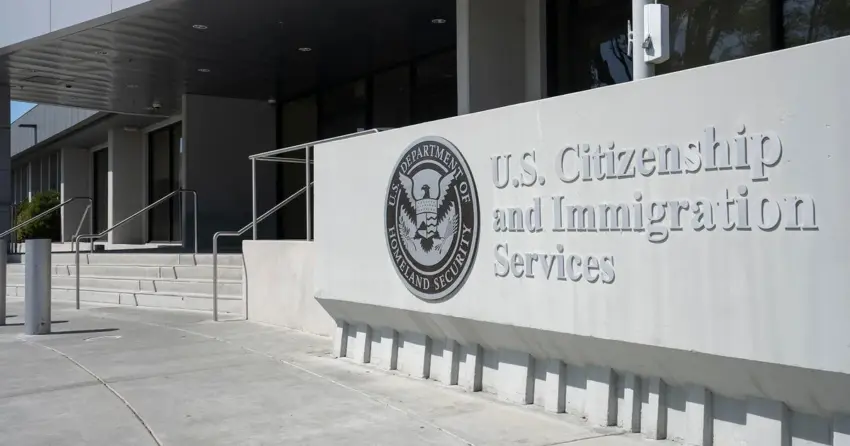
In a significant shift, the Trump administration has mandated enhanced security checks for immigration applicants, pausing pending applications as a result. This policy change, which took effect on April 27, 2026, requires that applicants undergo new FBI background checks before their cases can proceed.
The announcement came just after the Justice Department granted USCIS greater access to its criminal history database. This move is part of a broader immigration crackdown initiated by the Trump administration since it took office in early 2025. The aim? To ensure that individuals with criminal backgrounds do not gain entry or remain in the United States.
As a result of this shift, USCIS officers have been instructed to pause any pending green card applications and naturalization processes that lack these new security checks. Applications requiring fingerprint submissions will be directly affected. Zach Kahler, a spokesperson for USCIS, stated, “Any delay in decision issuance should be brief and resolved shortly.” But many applicants are left wondering how long this process might actually take.
The implications of these changes are huge for thousands of people waiting on their applications. For many, these green cards represent not just legal status but also the opportunity to build lives in the U.S. However, under the new policy, they must now navigate potential delays and uncertainties.
In addition to affecting current applications, this policy ties into a larger framework established by an executive order from President Trump. He emphasized the need for DHS immigration authorities to access criminal history record information (CHRI) as extensively as possible within legal bounds. “Such criminal actors may include foreign nationals with criminal histories who have entered or remained in the United States in violation of immigration laws,” he noted.
As USCIS continues to implement these changes, they assure applicants that processing is ongoing despite the heightened requirements. However, with 39 countries listed under various travel bans and numerous denaturalization cases targeting foreign-born Americans, the landscape of U.S. immigration is becoming increasingly complex.
Thus far, no timeline has been shared regarding when all pending applications will resume processing under the new guidelines. The uncertainty looms large over many hopeful immigrants who are now caught in limbo due to these stringent measures.

David Miller
David covers technology, science, and innovation from around the world.