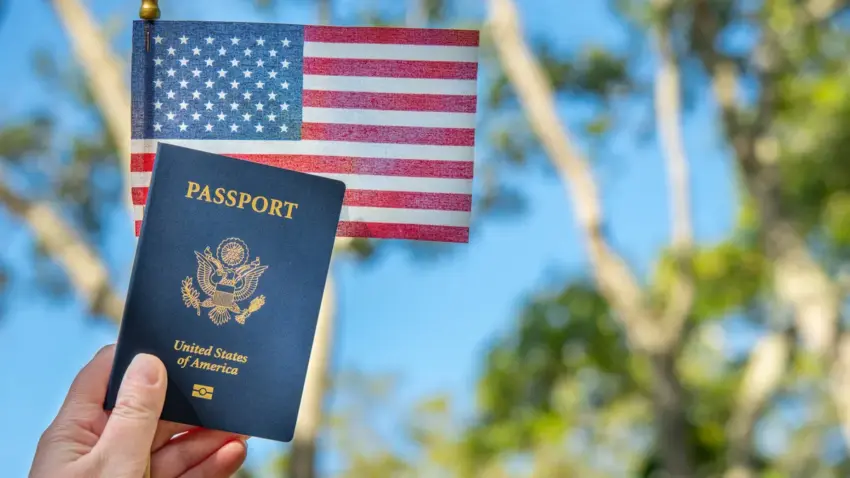
Maria stood in her kitchen, the smell of garlic and tomatoes wafting through the air, a comforting reminder of home. She was cooking for her family—her husband, her two children—who all carried the same American dream she had fought so hard to claim. But that dream felt fragile now, like a delicate glass ornament hanging by a thread. The Trump administration’s citizenship crackdown threatened to strip hundreds of Americans like Maria of their citizenship and passports, creating a state of permanent vulnerability.
Before this shift, being a naturalized citizen meant something solid—security, belonging. Maria had navigated the naturalization process years ago, filled with hope and determination. She’d faced long interviews, endless paperwork, and the looming fear of rejection. But she had succeeded. She was an American now. Or so she thought.
Then came the decisive moment: Executive Order 14128. It directed federal agencies to prioritize denaturalization cases involving fraud or criminal activity—a vague line that left many wondering if they would be next. According to the Justice Department, 384 foreign-born Americans were identified at risk of losing their citizenship. In just four years, the administration filed over a hundred denaturalization cases—this was unprecedented.
Maria’s heart raced as she read news reports about families torn apart by this new policy. The fear was palpable among naturalized citizens from certain countries—like hers—who worried about retroactive reviews due to these policies. The proposed Exclusive Citizenship Act aimed to ban dual citizenship for Americans, tightening the grip on those who thought they could hold onto both worlds.
“We are restoring the sacred meaning of American citizenship,” President Trump declared—a statement that echoed in Maria’s mind like a haunting refrain. To her, it felt less like restoration and more like a stripping away—of rights, dignity, belonging.
Experts weighed in too; ACLU attorney Lee Gelernt called it cruel and unconstitutional. He pointed out how denaturalization cases used to be extremely rare before this administration’s efforts—but now they were becoming alarmingly common. And with every case pursued—averaging eleven per year from 1990 to 2017—it felt like an attack on community trust.
Still, amid the uncertainty, there was resilience. Families gathered in community centers to discuss their fears and share resources. They formed support networks—because when one person is at risk, it affects everyone who shares that bond of citizenship.
The stakes have never been higher for those living under this cloud of fear—where being American feels conditional. As Maria finished dinner that night, she looked at her children and wondered what kind of future awaited them in this changing landscape.
A future where U.S. citizenship could be stripped away without warning feels unimaginable—but it’s becoming a reality for many.

Sarah Jenkins
Sarah is an investigative reporter focusing on politics and social issues.