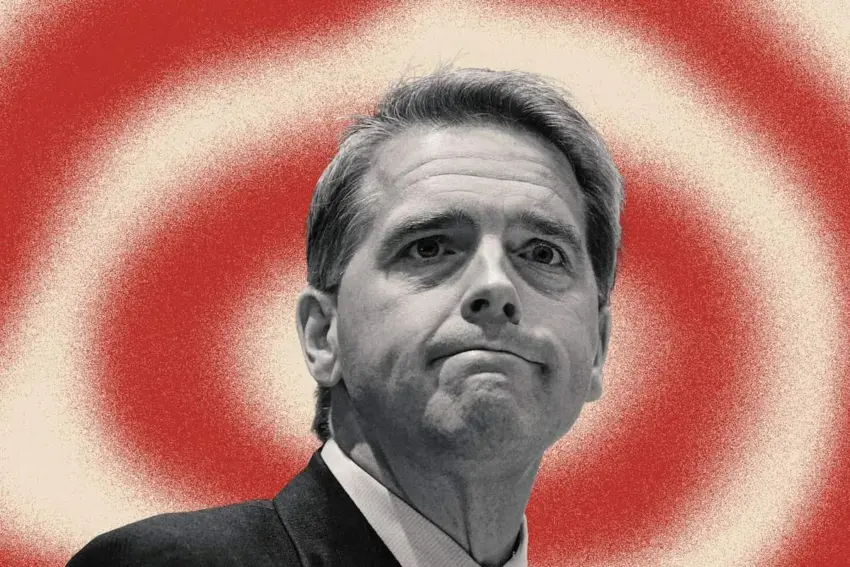
On May 1, 2026, Scott Jennings clashed violently with Adam Mockler during a segment on CNN’s NewsNight, highlighting the rising volatility in televised political debates. The argument erupted over the ongoing war with Iran, igniting a firestorm of emotions and accusations.
Jennings, a conservative analyst, didn’t hold back. “Get your f–king hand out of my face!” he shouted, his frustration palpable. Mockler, a 23-year-old liberal podcaster for MeidasTouch, shot back, accusing Jennings of being a war hawk due to his past role as a special assistant to President George W. Bush. The tension escalated quickly—this wasn’t just a debate; it was personal.
The backdrop for this heated exchange is critical. The war with Iran began on February 28, 2026, following joint US-Israeli strikes. Just weeks into the conflict, public sentiment is already divided. Jennings had previously claimed the war would last only four to six weeks—a prediction that Mockler seized upon during their argument.
Key moments from the exchange:
- Mockler challenged Jennings: “Can you name a political concession that we’ve got in Iran?” This question hung in the air, reflecting broader discontent.
- Phillip, the host of NewsNight, intervened to calm the situation—her role as mediator becoming crucial in such explosive moments.
- The show is often CNN’s most-watched program among audiences aged 25 to 54, underscoring how these debates attract significant viewership and scrutiny.
The argument exemplifies a trend toward heightened emotions and personal attacks in news programming—something that viewers are seeing more frequently across various platforms. With Mockler boasting over 2 million subscribers on YouTube, his voice carries weight among younger audiences who are increasingly engaged in political discourse.
This incident raises questions about where televised debates are headed. Will they continue to spiral into personal attacks? Or can hosts like Abby Phillip steer discussions back to civility? As viewers tune in for insights on pressing issues like the Iran war, they may find themselves witnessing more than just policy discussions—they’re seeing raw emotion and conflict unfold live.

Emily Carter
Emily is a lifestyle and culture writer with a passion for storytelling.