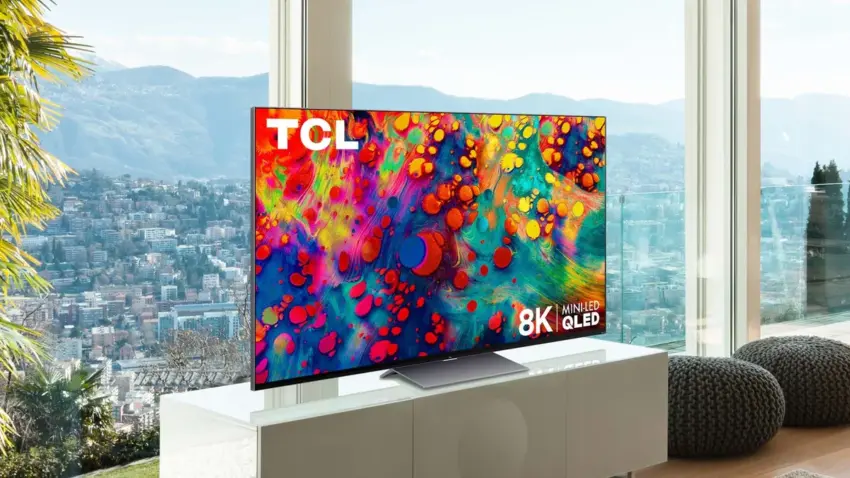
In California, Roku and TCL are facing a class action lawsuit for allegedly releasing faulty software updates that ‘brick’ their smart TVs, rendering them completely unusable. This unexpected turn has left countless consumers frustrated, especially those who relied on these devices for entertainment.
Before this legal battle erupted, many believed they had purchased reliable smart TVs powered by Roku OS. Consumers expected seamless streaming experiences, with regular updates enhancing performance. But as reports of malfunctioning devices began to surface, the mood shifted dramatically.
The decisive moment came when Terri Elise, a consumer tired of her TV freezing mid-show, decided to take action. Her complaint detailed how the recent software updates caused her TV to restart repeatedly or not turn on at all. She wasn’t alone; over 300 comments on Top Class Actions echoed similar grievances from other users who felt misled by the companies.
Key allegations in the lawsuit:
- The software updates reportedly cause TVs to freeze or restart unexpectedly.
- Many affected models include Roku Select Series and various TCL series.
- The lawsuit claims the companies knowingly released poor updates despite numerous consumer complaints.
Experts suggest this situation reflects a growing trend in consumer electronics—where companies prioritize rapid software releases over thorough testing. “Despite consumers’ persistent complaints of repeated system failures, often leaving their TVs completely inoperable, defendants offer no recourse,” reads the lawsuit text. This has raised questions about accountability in tech partnerships like that of Roku and TCL.
As the legal proceedings unfold, both Roku and TCL have responded publicly. A spokesperson for Roku stated, “We believe the claims are meritless.” Meanwhile, a frustrated TCL TV owner shared her experience: “I was watching my TV and it just stopped showing pictures.” Such sentiments resonate with many who feel left in the dark.
The lawsuit demands a jury trial along with declaratory relief, damages, and restitution for affected consumers—a move that could reshape how tech companies handle future software updates. The next steps in this case will be closely watched as it unfolds in federal court.

Emily Carter
Emily is a lifestyle and culture writer with a passion for storytelling.