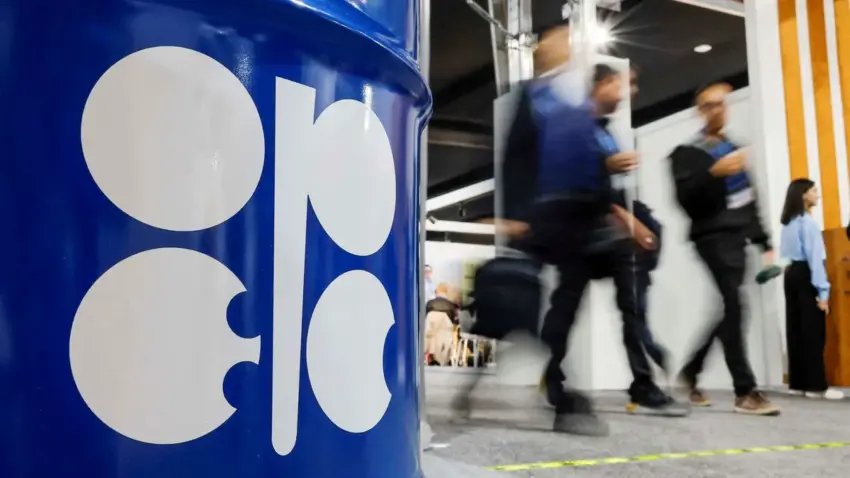
On May 1, 2026, the United Arab Emirates will officially exit OPEC after nearly 60 years of membership. This decision reshapes the oil cartel’s dynamics and its influence over global energy markets.
Just before the announcement, tensions among member countries were palpable. The UAE had been grappling with its energy strategies, seeking more autonomy in oil production. With its output ranking third in OPEC—behind Saudi Arabia and Iraq—the UAE’s departure signals a shift that could reverberate through the Strait of Hormuz, a critical chokepoint for global oil transport.
The UAE’s exit was described as a “sovereign national decision”—a move grounded in long-term economic priorities. Officials stated that being free from OPEC obligations would grant them greater flexibility to increase their oil output as global energy demand fluctuates.
Key facts about the UAE’s departure:
- The UAE has been a member of OPEC since its creation as a sovereign nation in 1971.
- Its oil output was the third largest in OPEC, following Saudi Arabia and Iraq.
- The decision to leave did not involve consultations with other producers like Saudi Arabia.
Suhail al-Mazrouei, the UAE’s Minister of Energy and Infrastructure, emphasized that this change allows for more strategic planning: “Being a country with no obligation under the group will give us flexibility.” This sentiment reflects a broader desire within the UAE to adapt to evolving energy landscapes.
Experts like Jorge Leon have noted that this withdrawal marks a significant shift for OPEC. With one less member, the cartel may struggle to maintain its grip on pricing and production levels amid increasing competition from non-OPEC producers.
The implications are profound—not just for the UAE but for global energy markets as well. As countries navigate their own energy futures, this decision could set off a chain reaction among other members contemplating their roles within OPEC+.
The UAE’s move is one more indication of how nations are prioritizing their own economic strategies in an ever-changing landscape. With this departure effective soon, all eyes will be on how it influences both regional and global oil dynamics.

Sarah Jenkins
Sarah is an investigative reporter focusing on politics and social issues.