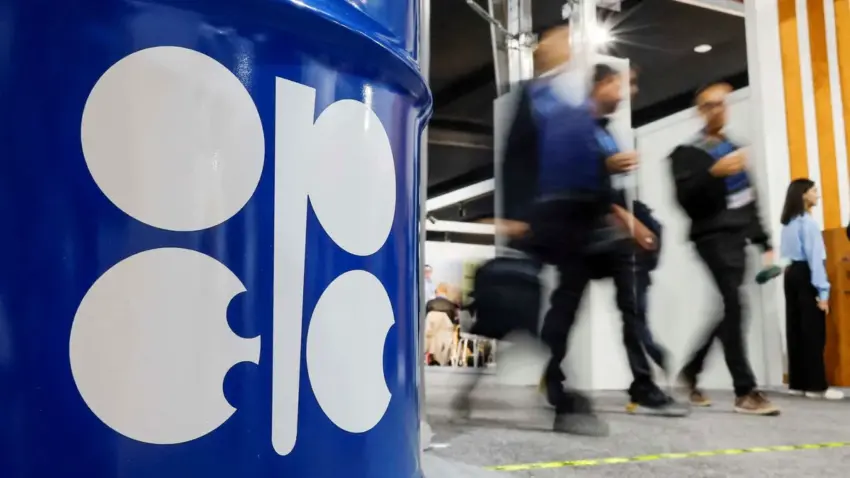
On May 1, 2026, the United Arab Emirates will officially leave OPEC, a move that sends ripples through the global oil market. For nearly 60 years, the UAE has been a key player in this cartel, shaping energy policies and production strategies.
The decision comes as a surprise to many. Just days prior to the announcement, discussions around oil production quotas were heating up within OPEC. The UAE had been one of the top three producers in the group, alongside Saudi Arabia and Iraq. Yet, in a statement released by the UAE government, they described this departure as a “sovereign national decision” aimed at pursuing long-term economic priorities.
In fact, this shift allows the UAE greater flexibility to increase its own oil output without being bound by OPEC’s collective agreements. Suhail al-Mazrouei, the UAE’s Minister of Energy and Infrastructure, emphasized that “being a country with no obligation under the group will give us flexibility.” This is particularly crucial as global energy demand continues to evolve.
The UAE’s exit marks a significant shift for OPEC—a group already facing challenges from rising competitors like U.S. shale producers. Jorge Leon, an industry analyst, noted that “the UAE withdrawal marks a significant shift for OPEC,” hinting at potential instability within the cartel.
Historically, since joining OPEC in 1971 as a newly sovereign nation, the UAE has played an integral role in shaping energy policies across the globe. Its oil output was consistently among the highest in OPEC, making it indispensable to their collective strategy.
Now, with their departure looming, questions arise about how this will affect not only OPEC but also global energy markets at large. The Strait of Hormuz—an essential passage for oil shipments—remains under scrutiny as tensions fluctuate in this vital region.
The full implications of this change are yet to unfold. However, one thing is clear: the dynamics of global oil production are shifting. As countries like Iran and Saudi Arabia adjust their strategies in response to this departure, all eyes will be on how these changes influence energy prices and international relations moving forward.

David Miller
David covers technology, science, and innovation from around the world.