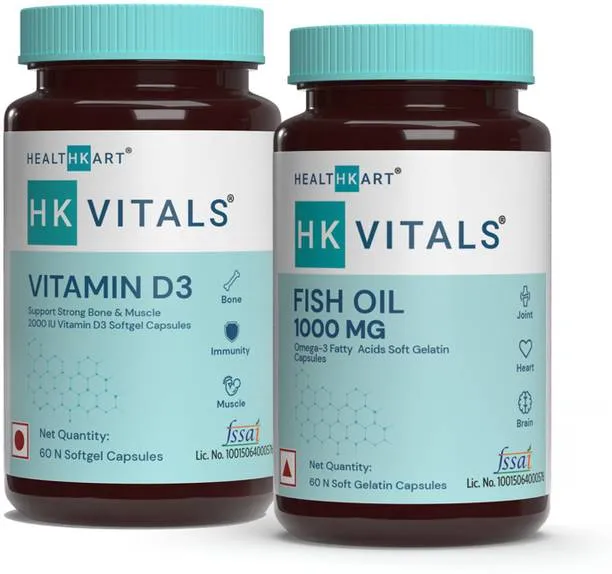
A new study raises concerns that omega 3 fish oil supplements might interfere with brain healing after injury, challenging their perceived protective benefits. This revelation comes as many people take these supplements, often unaware of their long-term effects.
Dr. Onder Albayram noted, “Fish oil supplements are everywhere, and people take them for a range of reasons, often without a clear understanding of their long-term effects.” The study analyzed data from 86 randomized controlled trials and found that higher levels of EPA in the brain correlated with weaker repair after injury.
Years of nutrition research have shown that diets high in omega-3 fatty acids typically support cardiovascular health. Yet, Dr. Donald Lloyd-Jones commented, “We have not seen supplementation with omega-3 fatty acids reduce the risk of cardiovascular disease.” This statement underscores a growing skepticism surrounding the effectiveness of these widely consumed supplements.
While higher levels of EPA and DHA in the blood are linked to lower risk of heart attacks and coronary heart disease, some evidence suggests that omega-3 supplements may not benefit the general population in preventing cardiovascular disease. In fact, healthy individuals might face an increased risk of certain cardiovascular problems when taking these supplements.
Key findings:
- Combining fish oil with anticoagulants can increase bleeding risk.
- Vitamin E and ginkgo biloba also pose similar risks when taken with fish oil.
- Omega-3s can slightly lower blood pressure, which may lead to low blood pressure when combined with blood pressure medications.
Brynna Connor emphasized that “supplements are best for those individuals who don’t eat fish or those who need therapeutic supplementation for conditions like high triglycerides, cardiovascular disease risk, and rheumatoid arthritis.” This perspective highlights the importance of personalized nutrition over blanket recommendations.
The long-term impact of omega-3 intake on brain recovery and blood vessel adaptation remains unclear. As research continues to evolve, it becomes increasingly vital for consumers to approach supplementation with caution and informed awareness.

Emily Carter
Emily is a lifestyle and culture writer with a passion for storytelling.