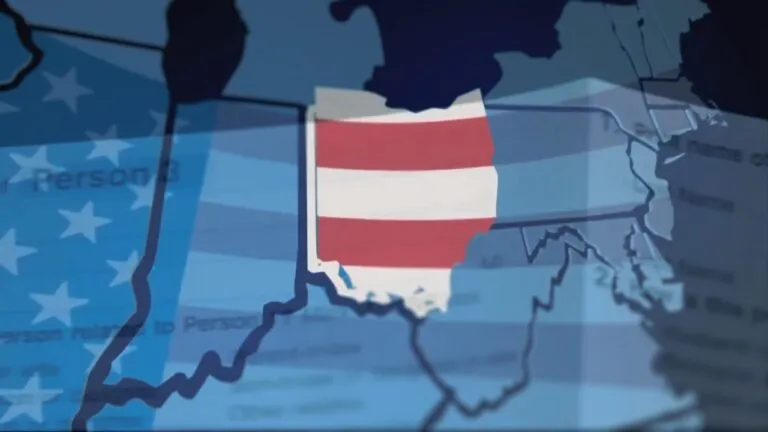
On May 5, 2026, Vivek Ramaswamy emerged victorious in the Republican primary for governor in Ohio, a race marked by his strong backing from Donald Trump and significant financial resources. This result has sent shockwaves through the political landscape of the state.
Before this decisive moment, many expected a more competitive field. Ramaswamy entered the race with a staggering $31 million war chest—$25 million of which came from his own pockets. His opponent, Casey Putsch, raised a mere $123,000. The disparity was glaring and set the stage for an uphill battle for Putsch.
The Republican primary results showed Ramaswamy’s dominance among registered voters in Ohio. As polls closed at 7:30 p.m. ET, his campaign celebrated not just a win but a clear mandate. With about 7.9 million registered voters in Ohio, turnout was pivotal; approximately 1.1 million votes were cast in the previous primaries for both U.S. Senate and governor races.
Ramaswamy’s victory has immediate implications for both parties involved. He will face off against Amy Acton, who ran unopposed for the Democratic nomination for governor. Meanwhile, Sherrod Brown secured the Democratic nomination for U.S. Senate—a position he holds with considerable name recognition and a reputation as a populist Democrat.
Key facts from the Ohio elections:
- Ramaswamy won the Republican nomination for governor.
- Sherrod Brown won the Democratic nomination for U.S. Senate.
- Jon Husted faced no challengers in the Republican Senate primary.
- Amy Acton ran unopposed for the Democratic nomination for governor.
- About 17% of votes were cast before primary day in 2022.
Experts suggest that Ramaswamy’s bold proposals—like abolishing income tax and slashing property taxes—could energize his base but also alienate moderate voters. His approach will be critical as he heads into the general election against Acton.
As Ohio gears up for what promises to be a contentious gubernatorial election, all eyes will be on how these candidates navigate their respective campaigns. The stakes couldn’t be higher; control of state leadership hangs in the balance as both parties prepare to mobilize their supporters.

Emily Carter
Emily is a lifestyle and culture writer with a passion for storytelling.