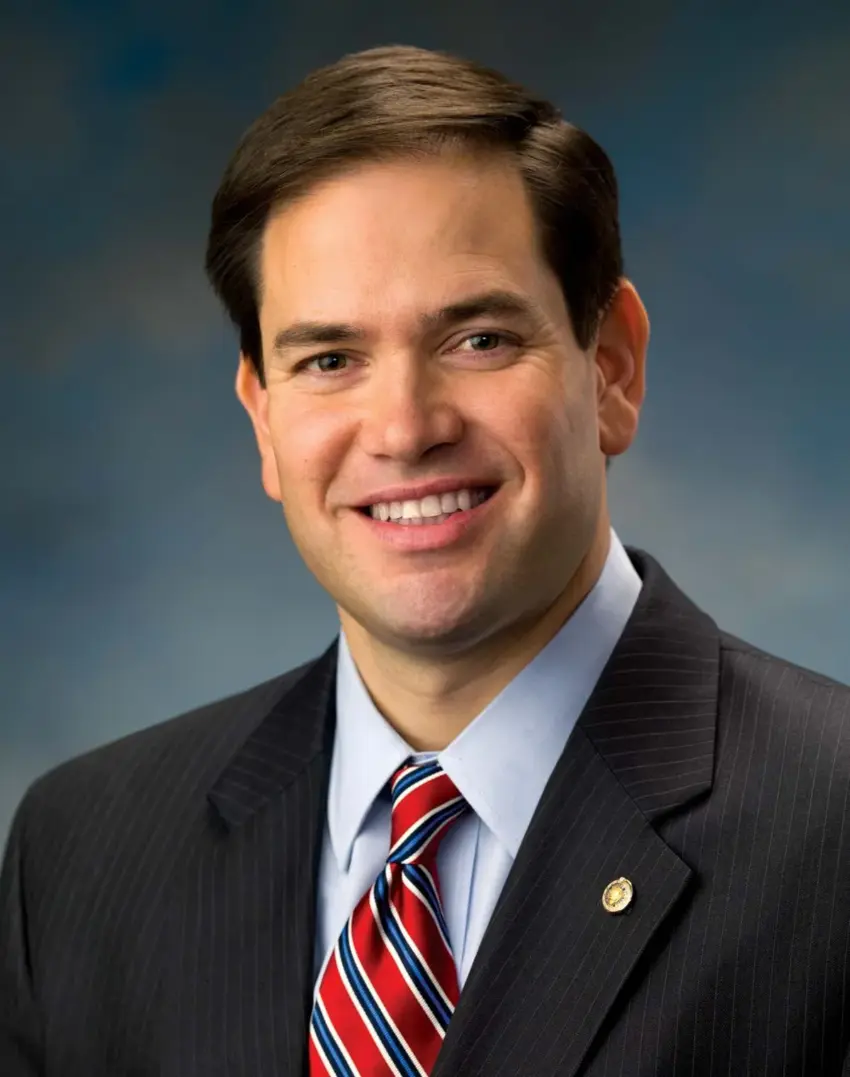
“I think most people cannot understand why anyone would think that it’s a good idea for Iran to ever have a nuclear weapon,” said Marco Rubio, the U.S. Secretary of State, ahead of his private audience with Pope Leo on May 7, 2026.
This meeting comes at a critical time. Tensions have escalated between the Trump administration and the Vatican over foreign policy issues, particularly regarding Iran’s nuclear ambitions. Just months ago, President Trump publicly criticized Pope Leo, claiming he supports Iran’s pursuit of nuclear weapons—a statement that has reverberated through diplomatic channels.
Rubio aims to downplay this rift during his visit, emphasizing that both parties share a commitment to peace. “The church’s mission is to preach the Gospel and peace,” Pope Leo remarked previously, underscoring the Vatican’s stance in this complex geopolitical landscape.
In addition to discussing Iran, Rubio is expected to address broader Middle East policy—an area where U.S. interests often clash with those of other nations. The backdrop of rising gas prices—averaging $4.48 per gallon now compared to just under $3.17 a year ago—adds urgency to these discussions.
Key points for discussion:
- Advancing bilateral relations between the U.S. and the Vatican.
- The situation in the Middle East and potential strategies moving forward.
- Concerns over nuclear weapons in Iran and their implications for global security.
Cardinal Pietro Parolin commented on the ongoing dialogue: “We understand that not everyone is on the same page; but let’s say that this is the pope’s response.” This sentiment reflects a cautious optimism as both sides navigate their differences.
As Rubio prepares for this pivotal meeting, he faces not only diplomatic challenges but also domestic pressures tied to fluctuating fuel prices and public sentiment regarding foreign policy choices. His visit marks a significant moment—the first high-level engagement from the Trump administration with the Vatican since May 2025.

Emily Carter
Emily is a lifestyle and culture writer with a passion for storytelling.