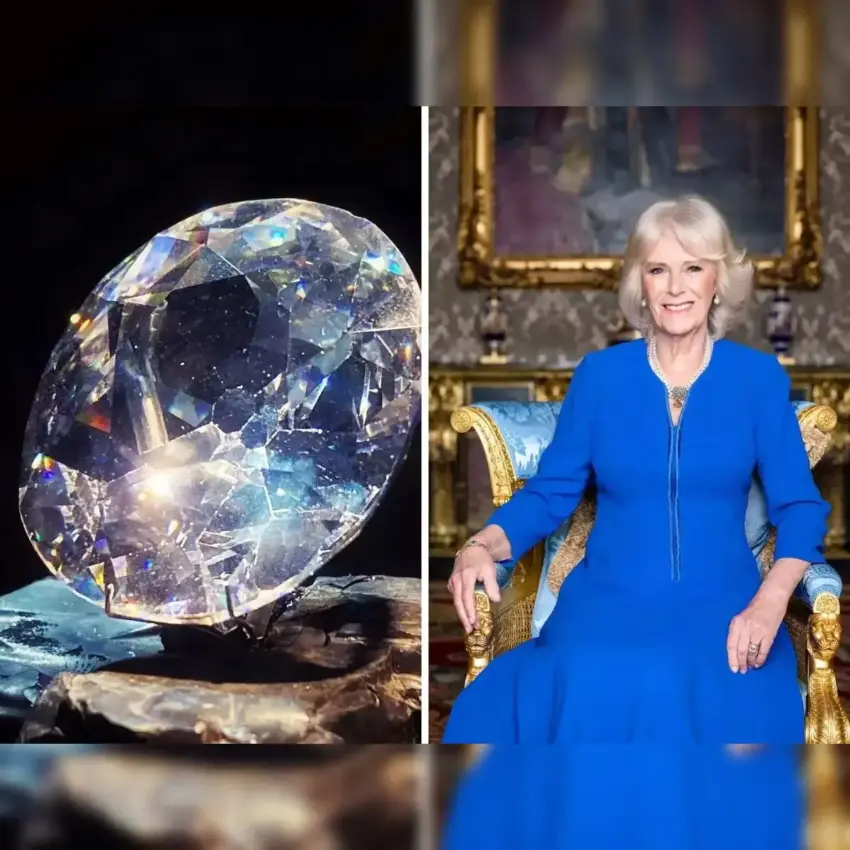
“If I were to speak to the king separately from that, I’d probably encourage him to return the Koh-i-noor diamond,” said Zohran Mamdani, New York City’s mayor, as he prepares for a brief meeting with King Charles III.
The Koh-i-Noor diamond—once a prized possession of India’s Mughal emperors—has been at the center of a long-standing dispute between Britain and India. Taken in 1849 by the British East India Company, this 105-carat gem has been part of the British Crown Jewels ever since. Displayed in the Tower of London, it’s not just a beautiful artifact; it embodies centuries of colonial rule and cultural theft.
Since gaining independence in 1947, India has made several requests for the diamond’s return, most recently in 2016. The Indian government has referred to it as a “valued piece of art with strong roots in our nation’s history.” It’s a poignant reminder of the past—of Queen Victoria’s reign and the imperialist ambitions that shaped modern geopolitics.
As Mamdani steps into this moment, he carries with him not just a request but also the weight of history. The Koh-i-Noor’s journey from India to Britain is steeped in tales of power and loss. It’s not merely about reclaiming a jewel; it symbolizes healing wounds left by colonialism.
Mamdani’s statement resonates deeply within a city that remembers—3,000 New Yorkers lost their lives in the September 11 attacks, a stark reminder of how history shapes identity and community. His call for action reflects a broader desire among many for reconciliation between nations.
What happens next is uncertain. Will King Charles entertain this request? As discussions unfold, one thing is clear: the Koh-i-Noor diamond remains priceless—not just in monetary terms but as a piece of shared heritage that connects two nations across time and space.

Mark Thompson
Mark is a seasoned journalist with over 10 years of experience covering global news and events.