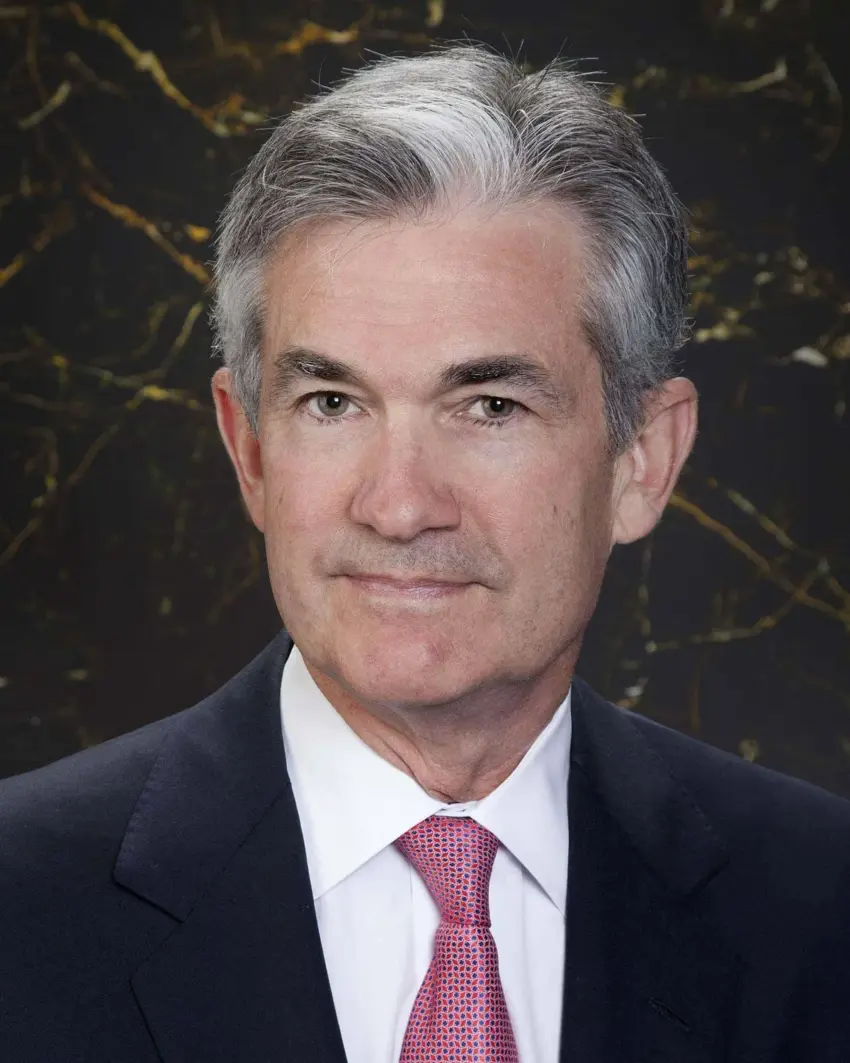
As Jerome Powell prepares for his last meeting as Fed chair on April 29, 2026, the landscape of U.S. monetary policy is on the brink of transformation. His tenure, lasting over eight years, has shaped interest rate decisions and economic strategies across the nation.
But change is imminent. President Trump has nominated Kevin Warsh to take over, and the Senate Banking Committee has already voted 13-11 in favor of his nomination. This narrow margin reflects a divided sentiment about what’s next for Federal Reserve policy.
Powell’s leadership has been marked by a commitment to economic independence—he often emphasized that decisions should be based on data rather than political pressure. In contrast, Warsh has stated he would act independently and not take orders from the president, signaling a potential shift in how the Fed operates.
Key facts about this transition:
- Powell’s final meeting as chair is set for April 29, 2026.
- The Senate Banking Committee endorsed Warsh’s nomination with a vote of 13-11.
- Powell can remain on the Fed’s governing board until 2028.
The immediate effects of this transition are already being felt. Interest rates are expected to remain unchanged at Powell’s last policy meeting, reflecting a cautious approach as Warsh prepares to step in. This stability might be crucial as markets adjust to new leadership.
The confirmation vote for Warsh is expected soon in the full Senate, leaving many wondering how this change will influence future Federal Reserve policies and interest rates. The economic implications are vast—investors are watching closely as they consider how this shift might affect their strategies moving forward.
This moment marks not just an end but a new beginning in U.S. monetary policy leadership, one that could redefine relationships between government and economic governance.”}

David Miller
David covers technology, science, and innovation from around the world.