On April 30, 2026, James Broadnax was executed by lethal injection in Huntsville, Texas, for the 2008 robbery and murders of Stephen Swan and Matthew Butler. His execution raises serious questions about the integrity of the criminal justice system, especially after his cousin, Demarius Cummings, confessed to being the actual shooter just days before.
Broadnax’s conviction came in 2009, following a trial that many now believe was flawed. Cummings, who received a life sentence without parole for his involvement in the crime, stated clearly: “I want to clear my conscience and do not want James to be executed for shooting two people when I was the one who committed those acts.” This confession came too late for Broadnax.
More than 80,000 signatures were gathered in support of a clemency petition for him. Yet, despite this overwhelming public outcry and new evidence surfacing just before his execution, the U.S. Supreme Court denied Broadnax’s final appeal to stop it. His legal team requested a 30-day reprieve based on Cummings’ confession, but that request was also denied.
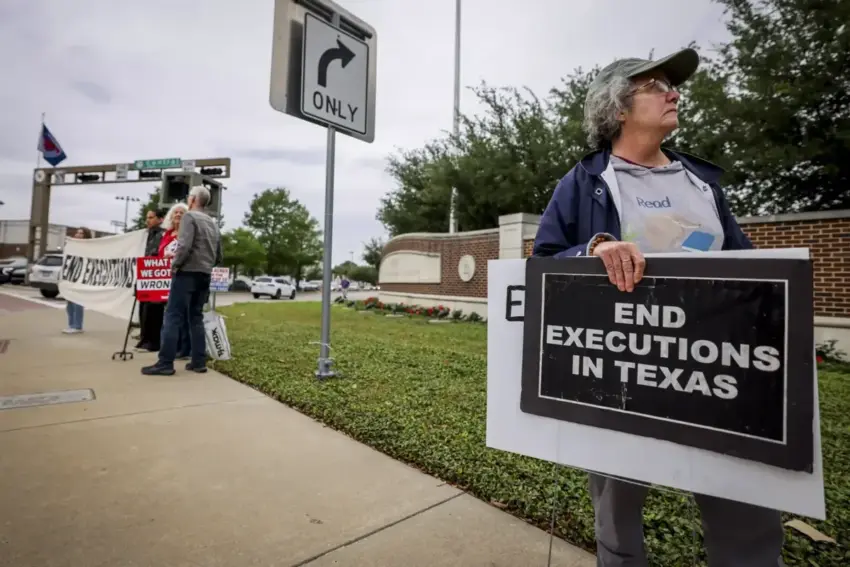
In his last moments, Broadnax maintained his innocence. “I prayed to God for your forgiveness. Despite what you think about me, I hope to God that prayer was answered,” he said. His words echoed through the hearts of those gathered outside the prison—the prayer vigils held across Texas were a testament to the divided opinions surrounding his case.
The chain of events leading up to this moment is chilling. On June 19, 2008, Broadnax and Cummings set out to rob someone; it ended tragically with two lives lost. The details remain murky—Broadnax claimed he was under the influence of drugs when he first confessed to being involved in the shootings.
As the clock struck 7 p.m., Broadnax faced an irreversible fate while many questioned whether justice had truly been served. His execution—a stark reminder of the complexities surrounding the death penalty—raises unsettling concerns about wrongful convictions and their devastating consequences.
With each passing moment after his execution, discussions around reforming the criminal justice system gain momentum. Advocates argue that cases like Broadnax’s highlight systemic flaws that must be addressed urgently.

David Miller
David covers technology, science, and innovation from around the world.