In a striking declaration, Iran’s supreme leader, Ayatollah Mojtaba Khamenei, vowed to safeguard the country’s nuclear capabilities, a promise that echoes through the tense atmosphere of the Persian Gulf. This statement emerges as the U.S. maintains a stringent blockade on Iranian oil tankers, exacerbating an already strained relationship.
The backdrop is complex—Iran insists its nuclear program is peaceful, despite persistent accusations from the U.S. Meanwhile, the economy falters under the weight of sanctions and military operations that have cost the U.S. $25 billion so far.
As tensions heighten, Khamenei’s defiance resonates deeply within Iran, especially following recent protests where a 21-year-old was executed over charges related to dissent. His words were sharp: “The only place Americans belonged in the Persian Gulf is ‘at the bottom of its waters.'” This sentiment fuels national pride but also reflects a growing desperation among citizens facing economic hardships.
Key statistics:
- The U.S. Navy blockade has turned back 44 commercial vessels.
- Brent crude oil prices have surged to $126 per barrel.
- Since the start of hostilities, Iran has executed 21 individuals linked to protests.
- A fee of $2 million is now charged for some ships navigating through the Strait of Hormuz.
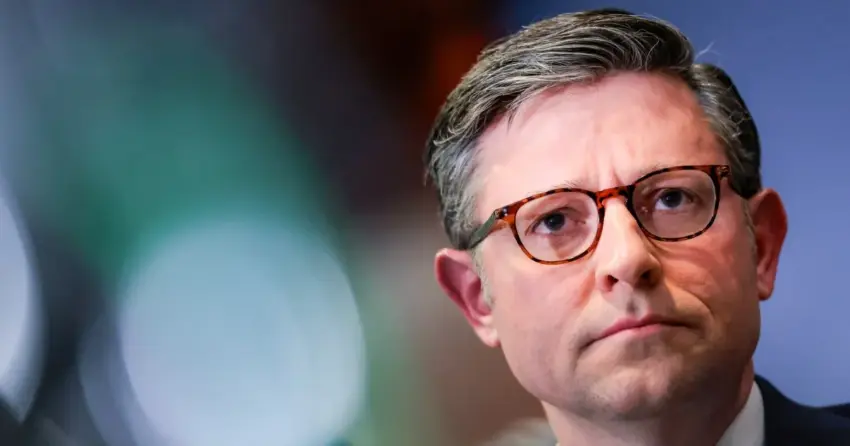
House Speaker Mike Johnson declared, “We are not at war,” yet military operations continue unabated. The State Department recently instructed diplomats to rally support for a ‘maritime freedom construct’ in the Strait of Hormuz—a move seen as essential by Gulf Arab nations concerned about Iranian control over this crucial waterway.
The situation remains fluid and uncertain—officials have not confirmed whether President Trump will seek an extension for military action under the War Powers Resolution. Observers note that ongoing negotiations between the U.S. and Iran are shrouded in secrecy, leaving many questions unanswered.
As both nations navigate this treacherous path, one thing is clear: each step taken could drastically alter not just their futures but also that of the entire region.

Mark Thompson
Mark is a seasoned journalist with over 10 years of experience covering global news and events.