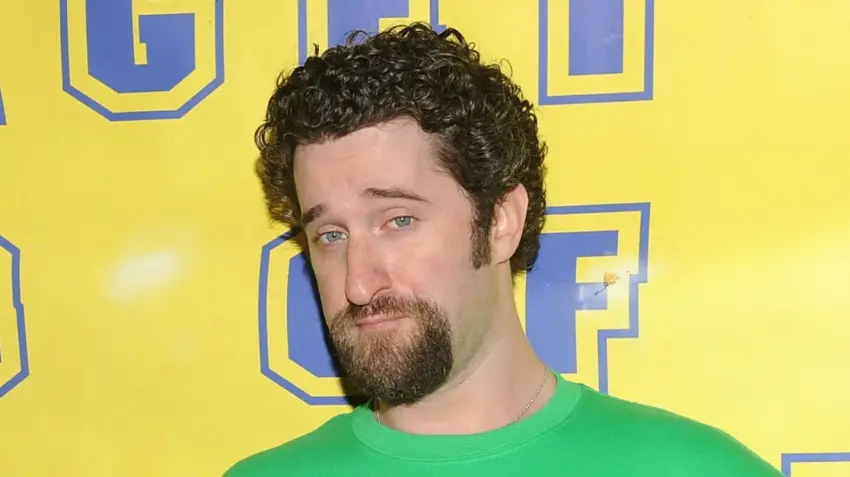
Did Dustin Diamond’s fame lead to financial turmoil? Mark Diamond, his father, recently addressed allegations that he mishandled his son’s money after Dustin’s untimely death from small-cell carcinoma on February 1, 2021.
Mark vehemently denied any wrongdoing, stating, “It really made me upset. And I told him, ‘Why are you throwing me under the bus, when I can’t pop myself on television and go, ‘Uh, no!'” His words echo the struggles that many former child actors face—navigating adulthood while dealing with financial mismanagement and mental health issues.
Dustin Diamond rose to fame as Samuel ‘Screech’ Powers on the iconic show Saved by the Bell. Yet behind the laughter and fame lay a troubling reality. Reports indicate that he earned $1,250 per week during his time on the show. However, Dustin claimed he never saw that money. His friend Dan Block revealed that Dustin alleged his parents were stealing or mishandling his earnings.
Key points regarding Dustin’s financial situation:
- Dustin’s earnings from Saved by the Bell were reportedly $1,250 per week.
- He claimed he never received any of this money.
- Dustin’s agent took a 10-percent commission from his earnings.
Lark Voorhies—who portrayed Lisa Turtle alongside Dustin—shared her sentiments in the docuseries Hollywood Demons. She said simply, “I miss him.” Her reflection highlights how deeply intertwined their lives were beyond the set.
The narrative surrounding child actors often includes tales of financial exploitation and mental health struggles. Many enter Hollywood at a young age, leaving them vulnerable to decisions made by adults around them. In Dustin’s case, much of his earnings were managed by his parents before he turned 18. This raises questions about accountability and transparency in managing child actor finances.
The future remains uncertain for Mark Diamond as he fights to clear his family’s name amidst these allegations. Meanwhile, discussions about the welfare of child actors continue to grow louder in Hollywood. As more stories emerge about the challenges they face—whether it’s financial mismanagement or mental health issues—the industry is urged to take a closer look at its practices.

Sarah Jenkins
Sarah is an investigative reporter focusing on politics and social issues.