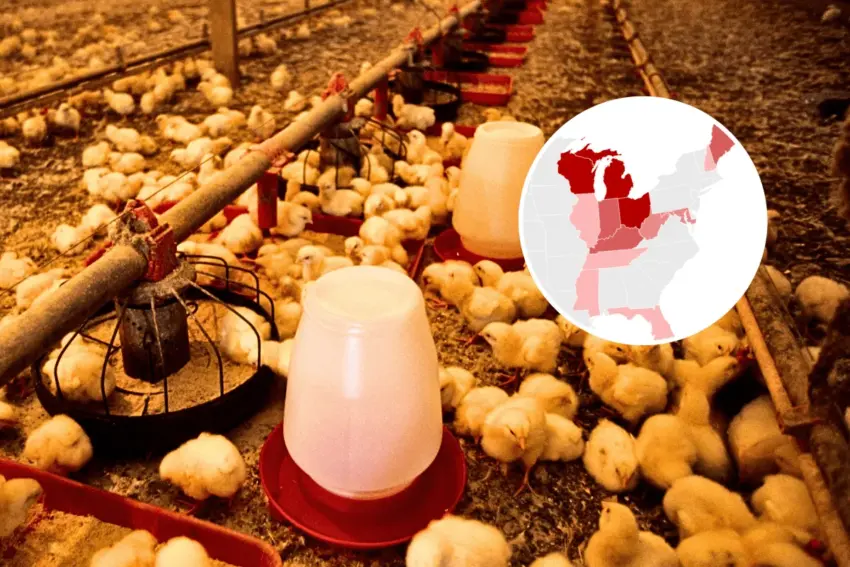
A new drug-resistant strain of Salmonella Saintpaul has sickened at least 34 people across 13 states in the U.S., with alarming implications for public health, particularly for young children.
Among those infected, more than four in ten are children under five years old. The Centers for Disease Control and Prevention (CDC) reported that as of April 13, 34 infections had been confirmed, leading to hospitalization for 13 individuals. The outbreak is linked to backyard poultry—chickens and ducks—that many families keep at home.
This isn’t an isolated incident. The CDC has investigated multiple salmonella outbreaks involving backyard poultry in recent years. With symptoms ranging from diarrhea to fever and stomach cramps, the potential for serious illness is heightened when antibiotic resistance comes into play. In fact, this outbreak strain may resist key antibiotics like fosfomycin, raising concerns about treatment options.
Key facts:
- 34 confirmed infections reported by the CDC
- 13 patients hospitalized due to severe illness
- 40% of cases involve children under five years old
- The median age of patients is just 12 years
- Infections can occur through contact with poultry or contaminated objects
The CDC warns that many more infections may be going undetected since many recover without medical care. Their statement underscores how the true number of sick people in an outbreak is likely much higher than reported. Young children, older adults, and those with weakened immune systems are particularly vulnerable to these germs.
The agency advises families to wash their hands with soap and water immediately after touching poultry or their environment—simple actions that can prevent illness. Yet, as backyard poultry farming grows in popularity, so do the risks associated with food safety and infectious diseases.
CDC insights:
- The outbreak strain is linked directly to backyard poultry.
- Infections resistant to antibiotics can lead to serious health consequences.
- Public awareness about proper handling and hygiene is crucial.

Mark Thompson
Mark is a seasoned journalist with over 10 years of experience covering global news and events.