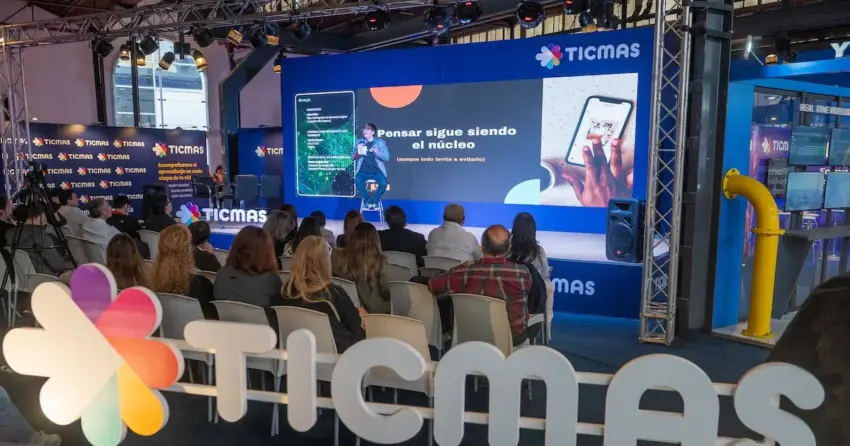
The VII Seminar on Educational Innovation brought together key educational leaders in Buenos Aires to tackle pressing challenges in modern education, focusing on the integration of artificial intelligence.
For seven years now, this seminar has served as a platform for educators to explore critical issues. In the past, discussions revolved around traditional teaching methods and curriculum development. But as technology rapidly evolves, so do the needs of students. The urgency to adapt has never been clearer.
This year’s event, held at the International Book Fair, was marked by a decisive shift. The focus was not just on what teachers teach but how they teach. With over 300 attendees, including influential figures like María Victoria Angulo and Sandra Chica, the conversations were vibrant and necessary.
Key topics discussed included:
- The role of artificial intelligence in enhancing educational practices.
- Innovative teacher training programs that align with modern pedagogical needs.
- Strategies for fostering critical thinking among students.
- The importance of effective public-private collaborations in education.
María Victoria Angulo posed a thought-provoking question: “La paradoja del aprendizaje: ¿Cómo aseguramos trayectorias educativas completas y con sentido para una generación que aprende con inteligencia artificial y, al mismo tiempo, no alcanza los aprendizajes básicos?” This encapsulates the tension between technological advancement and foundational learning that many educators feel today.
Experts like Tomás Balmaceda emphasized that without some friction—without challenges—there’s little room for true learning. “Sin fricción, no hay aprendizaje,” he stated passionately. This sentiment resonated throughout the seminar as educators reflected on their experiences.
Additional insights included:
- Gloria Figueroa highlighted pedagogy’s critical role when integrating technology into classrooms.
- Irma Ibarra stressed that technology should serve educational purposes rather than distract from them.
- Luis Alberto Bogado shared successful examples of public-private collaborations in Misiones, Argentina.
The seminar aims not just to inform but to inspire action—transforming how education is perceived and delivered. As Carolina Franco Giraldo noted, Medellín is set to become the world book capital soon, which could further influence educational trends across Latin America.

Emily Carter
Emily is a lifestyle and culture writer with a passion for storytelling.