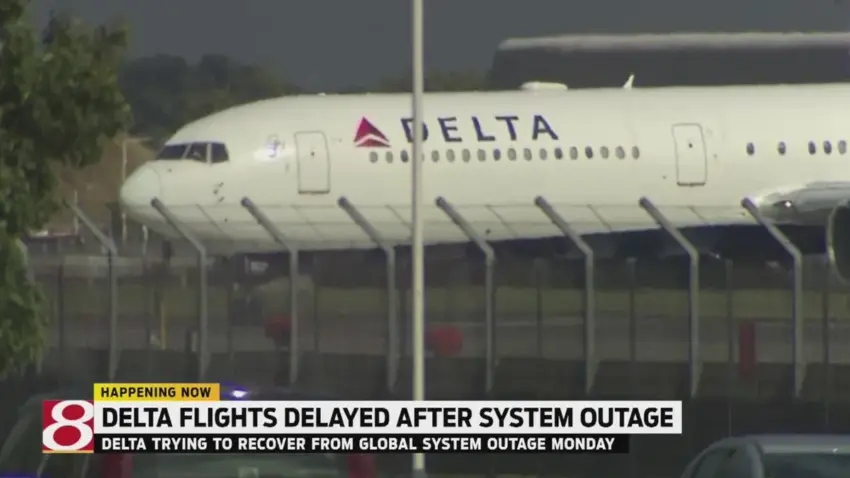
Over the weekend of May 3, 2026, Delta Air Lines cancelled hundreds of flights, while other airlines operated normally. The airline’s operational woes have sparked concern among travelers and industry analysts alike.
On Friday alone, Delta cancelled around 157 flights, followed by over 200 on Saturday. These disruptions—unlike those seen with competing airlines—point to internal issues rather than external factors. Delta’s CEO, Ed Bastian, acknowledged during a recent earnings call that reliability and recovery haven’t consistently met their high standards.
The root of the problem seems to lie in crew scheduling inefficiencies and staffing shortages. Analysts like JonNYC have noted that the airline’s automated crew-callout system has not effectively managed its workforce, leading to a breakdown in coordination between crews, scheduling teams, and ground operations. “If coordination breaks down, it can lead to exactly the kind of situation we’re seeing now,” he explained.
Key statistics:
- 157 flights cancelled on Friday
- Over 200 flights cancelled on Saturday
- Total cancellations across U.S. airlines reached 1,950 on a single day
- Total delays across U.S. airlines amounted to 2,508
As passengers navigate these cancellations, many face challenges such as missed connections and unexpected expenses. Delta has implemented a cancellation policy that allows for free rebooking on the next available flight for affected travelers; however, the stress of sudden changes remains palpable.
The airline’s operational problems are expected to persist through the summer months. Officials have not disclosed a specific timeline for resolution or provided clear reasons for the recent surge in cancellations.
In light of these ongoing challenges, travelers are left wondering how Delta will address its internal struggles and restore confidence in its service as summer travel peaks.

Sarah Jenkins
Sarah is an investigative reporter focusing on politics and social issues.