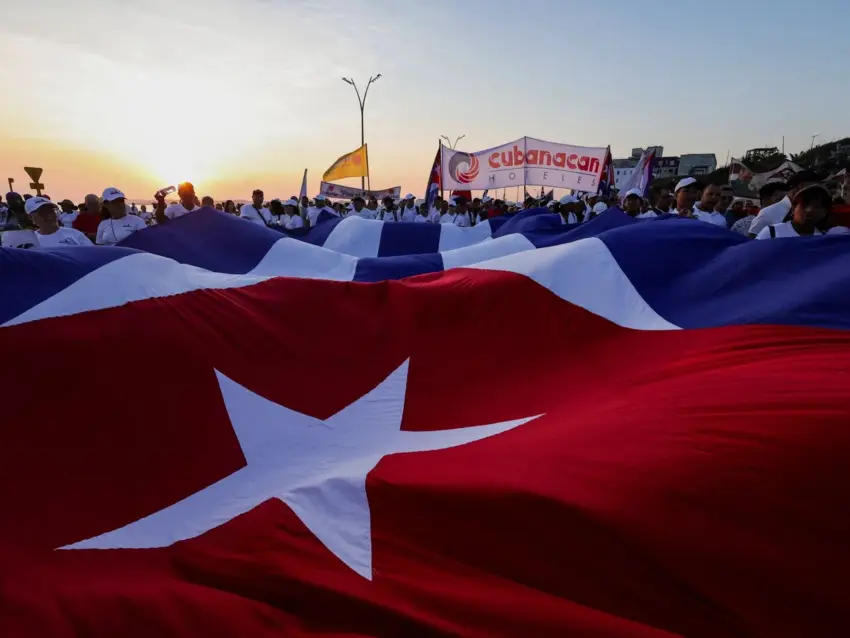
On May 1, 2026, President Donald Trump issued an executive order expanding sanctions against the Cuban government, labeling it an “unusual and extraordinary threat” to the United States. His remarks about Cuba have raised alarms — particularly given their timing.
The new sanctions target individuals and groups that support Cuba’s security forces. In response, Cuban Foreign Minister Bruno Rodriguez condemned these measures as “unilateral coercive measures” that violate international law. He stated, “These measures are extraterritorial in nature and violate the United Nations Charter.” Meanwhile, Cuban President Miguel Díaz-Canel characterized the sanctions as collective punishment against the Cuban people.
The impact of these sanctions is already being felt. Frequent power blackouts plague the island, a direct consequence of severe fuel shortages exacerbated by US policies. The situation has deteriorated to a point where everyday life for many Cubans is becoming increasingly untenable.
In a striking political move, the US Senate recently blocked a resolution aimed at preventing Trump from initiating military action against Cuba. The vote was close — 51 senators against 47 — indicating a deeply divided stance on US foreign policy regarding Cuba.
Key facts:
- The Cuban government has rejected the latest US sanctions.
- The sanctions include travel restrictions for certain individuals linked to the Cuban government.
- Frequent power blackouts have increased due to fuel shortages caused by these sanctions.
As tensions rise, questions linger about Trump’s intentions. Were his comments about taking over Cuba serious or merely rhetorical? No clear answers have emerged yet, leaving both supporters and critics guessing about the administration’s next steps.
Cuba’s future hangs in the balance as its economy struggles under the weight of these new restrictions. With ongoing discussions about military presence and intervention looming in Washington, uncertainty prevails for both nations.

Sarah Jenkins
Sarah is an investigative reporter focusing on politics and social issues.