Spirit Airlines has officially ceased operations after 34 years, abruptly canceling all flights and beginning an immediate shutdown of the company. This shocking news leaves thousands of travelers stranded, particularly in Florida, where the airline had a significant footprint.
Before its closure, Spirit employed about 17,000 people. The airline faced mounting financial pressures, filing for bankruptcy protection twice in less than a year. Increased fuel costs and heavy competition contributed to its downfall.
Passengers were strongly advised not to go to the airport as all flights were canceled. Many are now scrambling to find alternative travel plans, while others await automatic refunds to their original payment methods.
This disruption in the low-cost travel market comes at a critical time for Florida travel, where Spirit had been a major player. The loss of this ultra-low-cost carrier could lead to fewer affordable flight options and higher average airfare prices across the region.
In response to the influx of displaced travelers, other airlines are stepping in with limited emergency fares. Yet, the long-term effects on Spirit’s aircraft, airport gates, and workforce remain unclear. Officials have not disclosed how these assets will be managed moving forward.
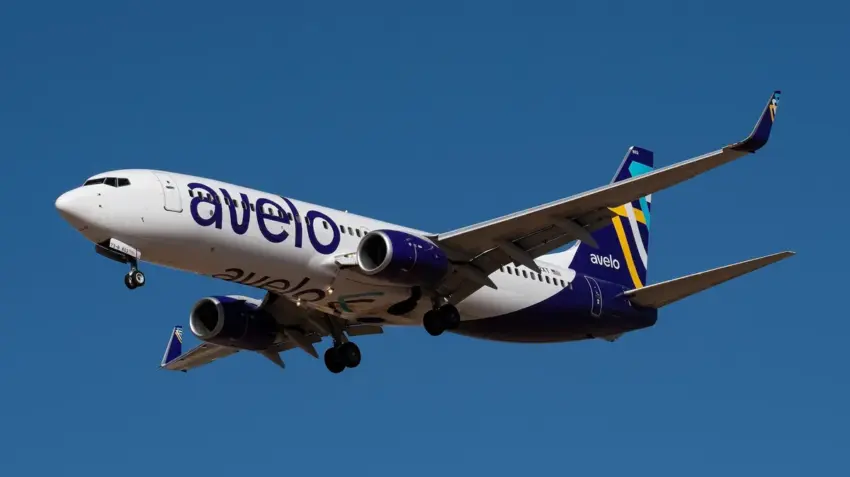
The airline industry is already feeling the ripple effects of this abrupt closure. As travelers adjust their plans, Avelo Airlines—another emerging ultra-low-cost carrier—faces new challenges in an increasingly competitive landscape.
Despite efforts to restructure and secure funding, Spirit ultimately could not sustain operations. The situation raises questions about the future viability of low-cost carriers amid rising operational costs and fierce competition.

Emily Carter
Emily is a lifestyle and culture writer with a passion for storytelling.