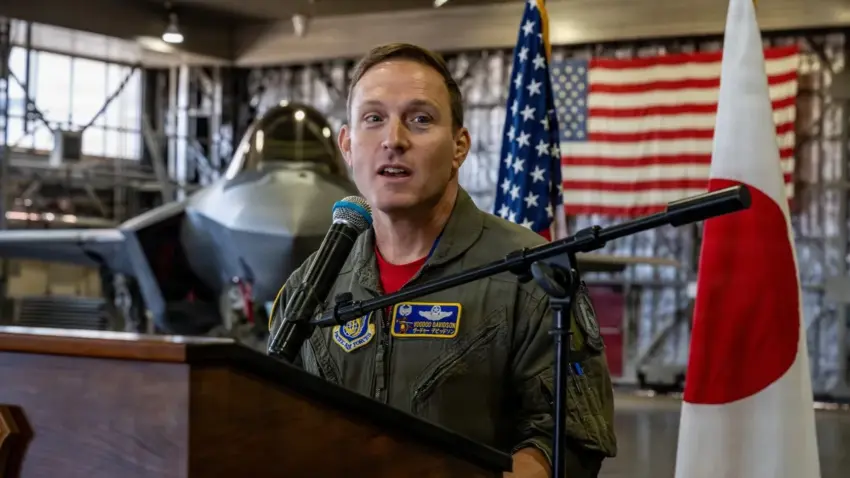
The 35th Fighter Wing officially welcomed F-35A Lightning II stealth fighters during a ribbon-cutting ceremony at Misawa Air Base on April 24, 2026. This event signifies a major leap in military modernization and strengthens the U.S.-Japan alliance in the Indo-Pacific region.
Misawa Air Base is now the first Pacific Air Forces installation to receive these advanced aircraft, replacing 36 F-16 Fighting Falcons with 48 F-35As. The transition began on March 28, 2026, as part of a strategic conversion aimed at increasing operational capacity and tactical reach.
Key facts about the transition:
- Japan is set to purchase a total of 147 F-35 aircraft, reinforcing its commitment to the U.S.-Japan alliance.
- This modernization effort is part of a $10 billion program announced by the Pentagon in 2024.
- The 35th Munitions Squadron, activated in mid-2024, will support the new F-35A fleet with around 225 airmen.
Col. Paul Davidson emphasized that while they embrace cutting-edge stealth technology, their core mission remains unchanged: “As we bring the F-35 into the fight, our core purpose remains unchanged: to strengthen the U.S.-Japan alliance, protect the force and safeguard a free and open Indo-Pacific.” His words resonate deeply in a region marked by volatility.
The unique aspect of Misawa is that it’s the only location globally where both U.S. Air Force and Japan Air Self-Defense Force F-35As operate side by side. This collaboration enhances joint training and readiness, crucial for addressing emerging threats.
Quotes from officials:
- “This fifth-generation fighter is more than just a replacement for the venerable F-16,” said Lt. Gen. Joel Carey.
- Christopher Allison remarked, “In a region this volatile, credible deterrence requires both cutting-edge capabilities and the resolve to deploy them effectively.”
- Col. Davidson further stated, “The F-35A represents the future of airpower and the strength of the alliance.”
The transition to F-35A fighters marks not just an upgrade in technology but also a reaffirmation of alliances that have stood strong for over 74 years. As military dynamics shift in the Indo-Pacific region, this move could reshape future operations. The full implications of this modernization effort are still unfolding as both nations adapt to new realities.

David Miller
David covers technology, science, and innovation from around the world.